Search

Leave a Message

Thank you for your message. I will be in touch with you shortly.

Preparing To Sell A Starter Home In Las Vegas

March 5, 2026

Selling a starter home in Las Vegas can feel like a lot to juggle. You want strong offers, a smooth timeline, and a plan that respects your budget. With the right prep, clear pricing, and smart marketing, you can attract qualified buyers and keep more of your proceeds. This guide gives you a step-by-step plan tailored to entry-level homes in the Las Vegas Valley so you know what to do, when to do it, and what to expect next. Let’s dive in.

Know your Las Vegas market timing

Your neighborhood and price band matter more than headline numbers. Local reports from Las Vegas REALTORS show the median existing single-family home price near $470,000 in early 2026, with more homes available than a year prior, which means buyers have more choice than they did recently. You can review a summary of that LVR reporting in this local news piece and note the date for context: early 2026 (LVR market trends reported here).

If your home is priced below about $350,000 to $400,000, you are in the local entry-level range. That segment often sees steady demand, but buyers are price sensitive. Timing still helps. National studies show late spring often produces a seasonal boost, yet Las Vegas inventory has been rising, which can soften that premium in some areas. Plan your preparation 6 to 12 weeks before your target list date so repairs, staging, and photos are done well before launch. You can read about seasonal listing patterns here (best time to sell overview).

Your 8 to 12 week prep plan

Start with safety and paperwork

Handle the basics first so you avoid deal delays once your home hits the market.

  • Service key systems. Schedule an HVAC tune-up, check the water heater, scan the roof and attic, and fix any obvious plumbing or electrical issues.
  • Consider a WDO inspection. VA and some FHA appraisals can require a wood-destroying organism report if there is evidence of pests. Getting ahead of this is smart for older homes or wood-heavy structures (VA termite inspection basics).
  • If you are in an HOA, order the resale packet early. Ask about timing and fees. Nevada law caps certain HOA resale and expedite fees, so confirm what applies in your community (Nevada HOA fee changes overview).
  • Gather documents. Pull your mortgage payoff, permits for past work, appliance manuals, property tax info, and any prior appraisals or surveys.

Focus on budget-friendly updates buyers notice

Small, high-visibility changes beat big remodels when you are selling a starter home. National Cost vs. Value research shows curb appeal and first-impression projects often deliver the strongest payback at resale. Consider:

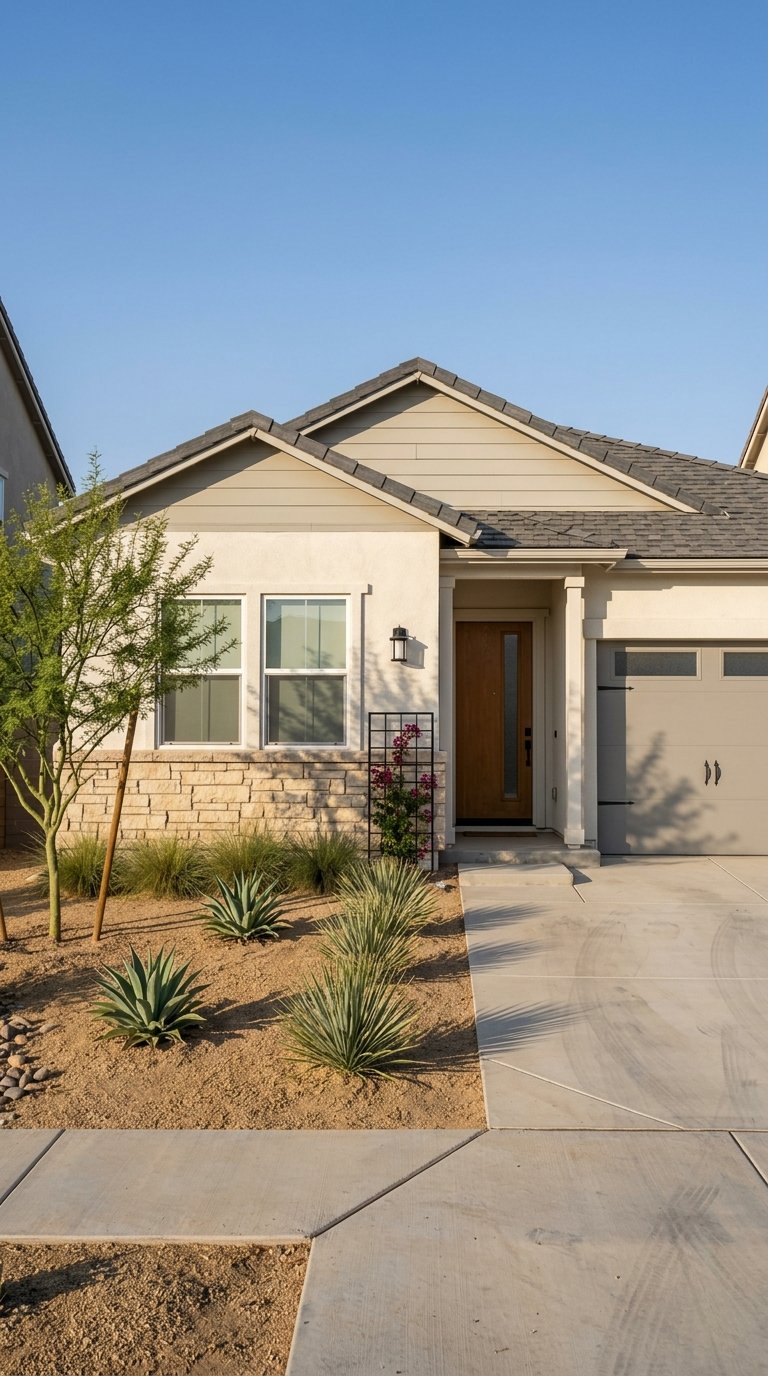
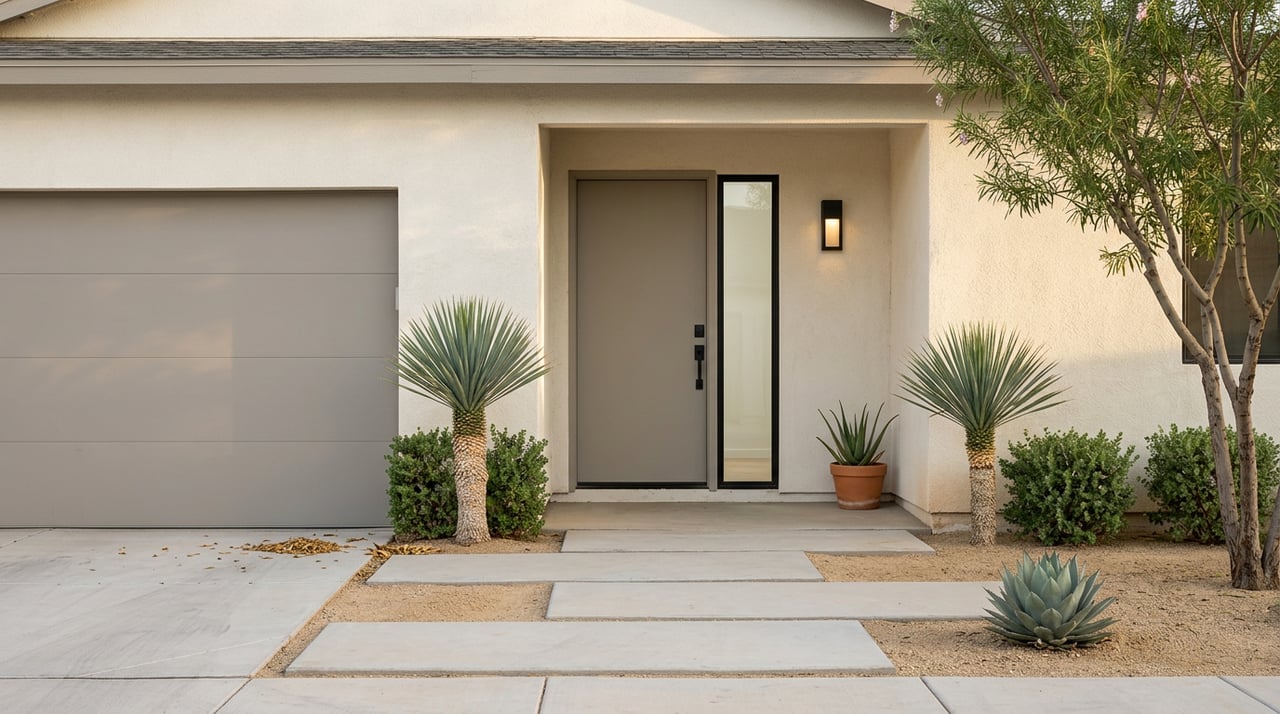
  • Garage door replacement. A fresh, quiet, modern door can transform curb appeal and ranks among the highest cost recoup projects nationally.
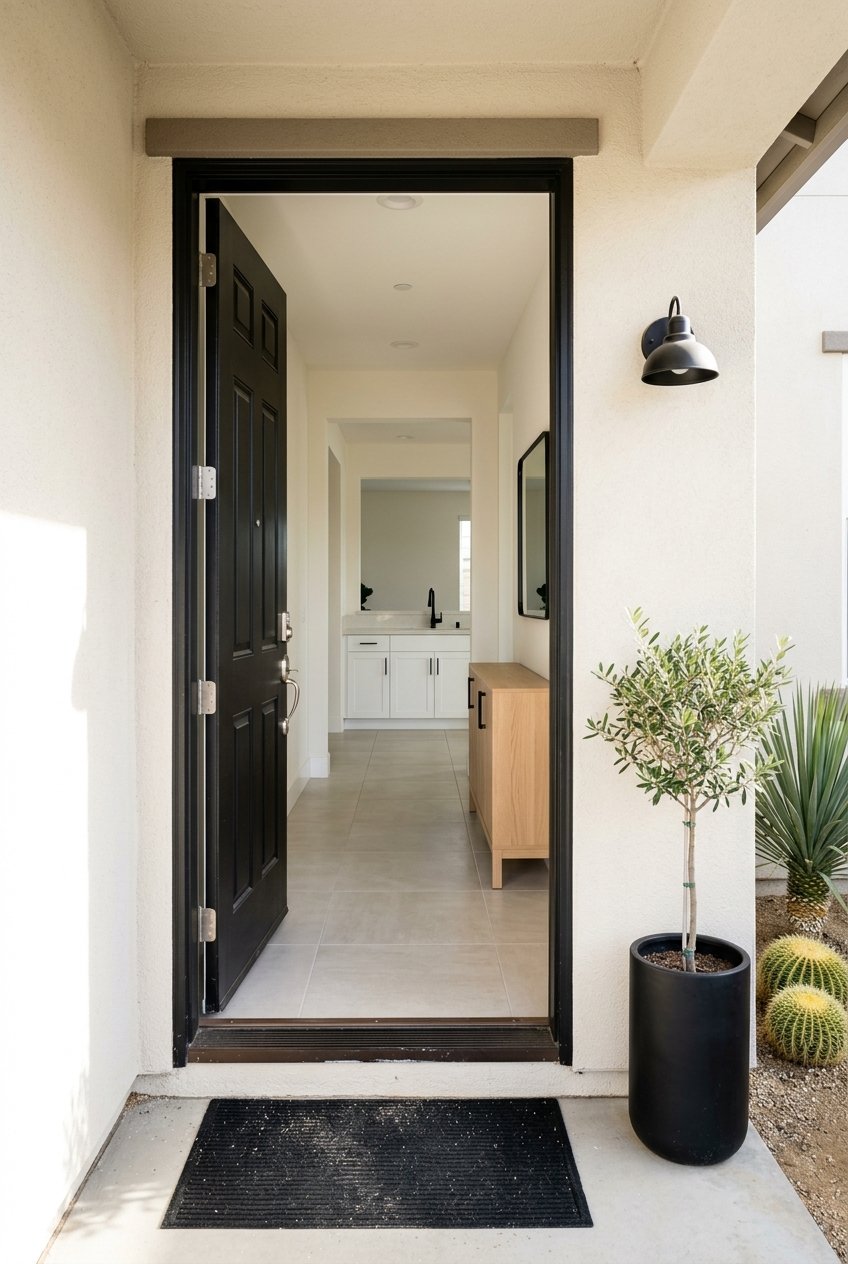
  • New steel or upgraded entry door. Buyers love a clean, secure, stylish entry at a reasonable cost.
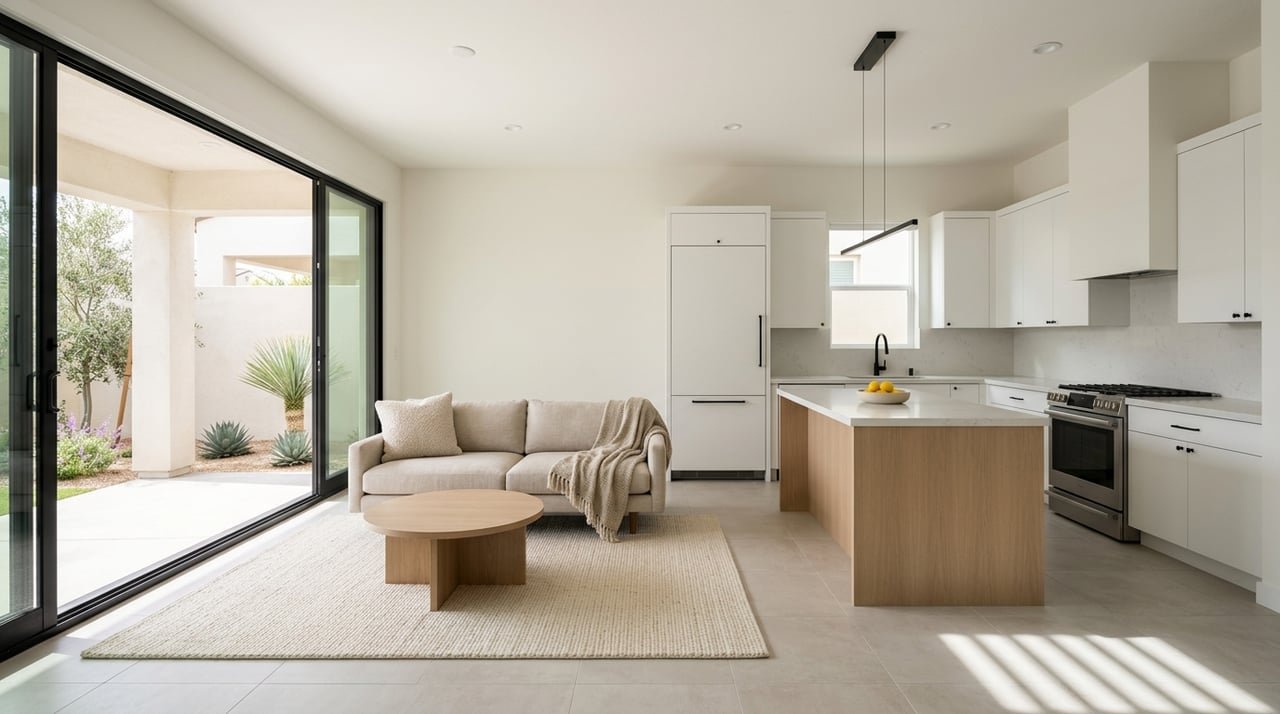
  • Minor kitchen refresh. Paint or reface cabinet fronts, swap dated hardware and fixtures, and consider new counters if your budget allows. Minor kitchen updates often recover a higher share of cost than full gut remodels.

You can explore the latest ROI patterns here (2025 Cost vs. Value overview).

Budget guardrails:

  • DIY spruce-ups under about $1,000 can go far with paint, lighting, and landscaping.
  • A modest refresh in the $2,000 to $6,000 range can handle a door upgrade, small kitchen updates, and a few repairs.
  • Staging often ranges from $500 to $3,000 depending on scope.

Match finishes to nearby comparable homes. Over-improving beyond your block or ZIP rarely pays off.

Stage for quick buyer decisions

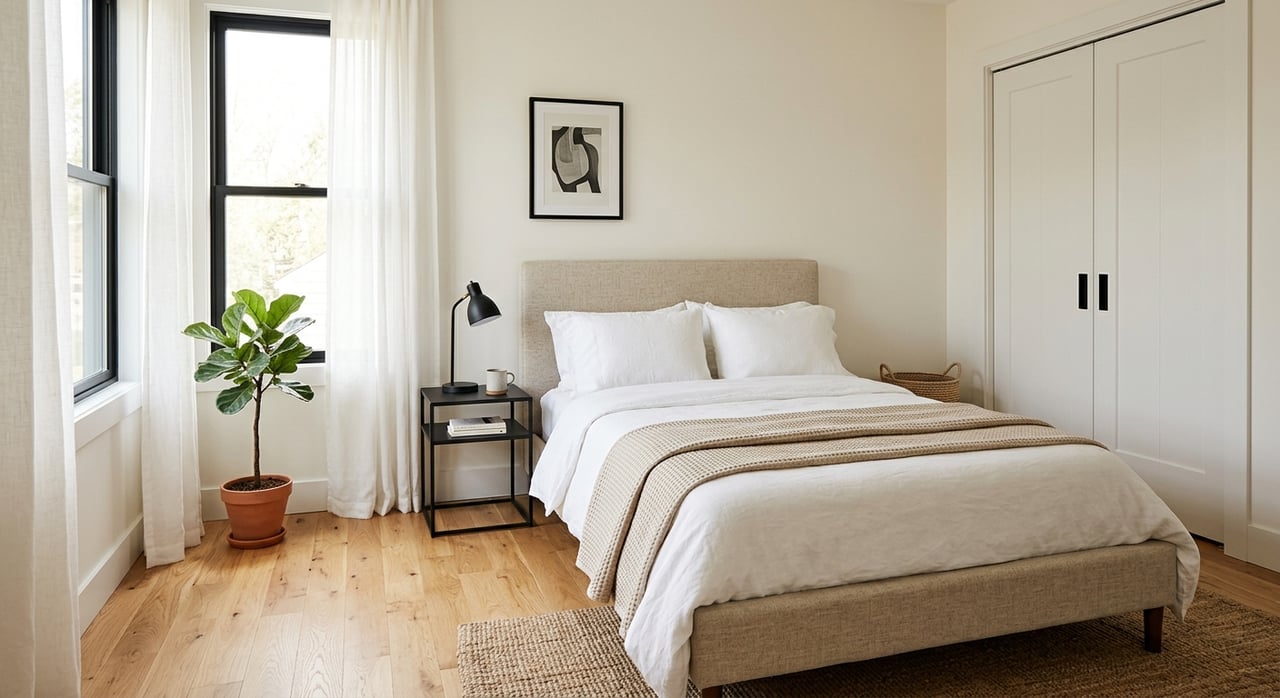
Staging helps buyers picture how they will live in your home and often shortens time on market. At minimum, declutter, deep clean, touch up paint in neutral tones, and complete minor repairs. Invest in professional photography and a digital floor plan since first-time buyers review listings online in detail. See national staging insights here (NAR staging guidance).

Pricing strategy that fits the entry-level band

Your price on day one sets the tone. Ask your agent for a CMA built from the last 30 to 90 days of closed sales, current competitors, and pending listings in your micro-market. In many Las Vegas neighborhoods, buyers are taking more time and watching price. Listings that start too high often sit and need reductions.

The first 1 to 2 weeks after launch usually bring the most attention, so it is wise to price where you will earn immediate showings rather than aim for a later cut. You can read about how early listing windows create momentum here (seasonality and attention window).

Price-band psychology also matters. Buyers search in round-number brackets, so the difference between $399,000 and $405,000 can change how many buyers even see your home online. Consider listing at a strategic break point if it fits your comps and condition.

If showings are slow or feedback points to a clear hurdle, plan to adjust within 10 to 14 days. Early performance is data you can use.

Marketing to reach first-time buyers

Starter-home buyers in Las Vegas include first-time purchasers using FHA, VA, or conventional low-down options, local move-up households, and investors. Put your best foot forward with a simple, targeted plan:

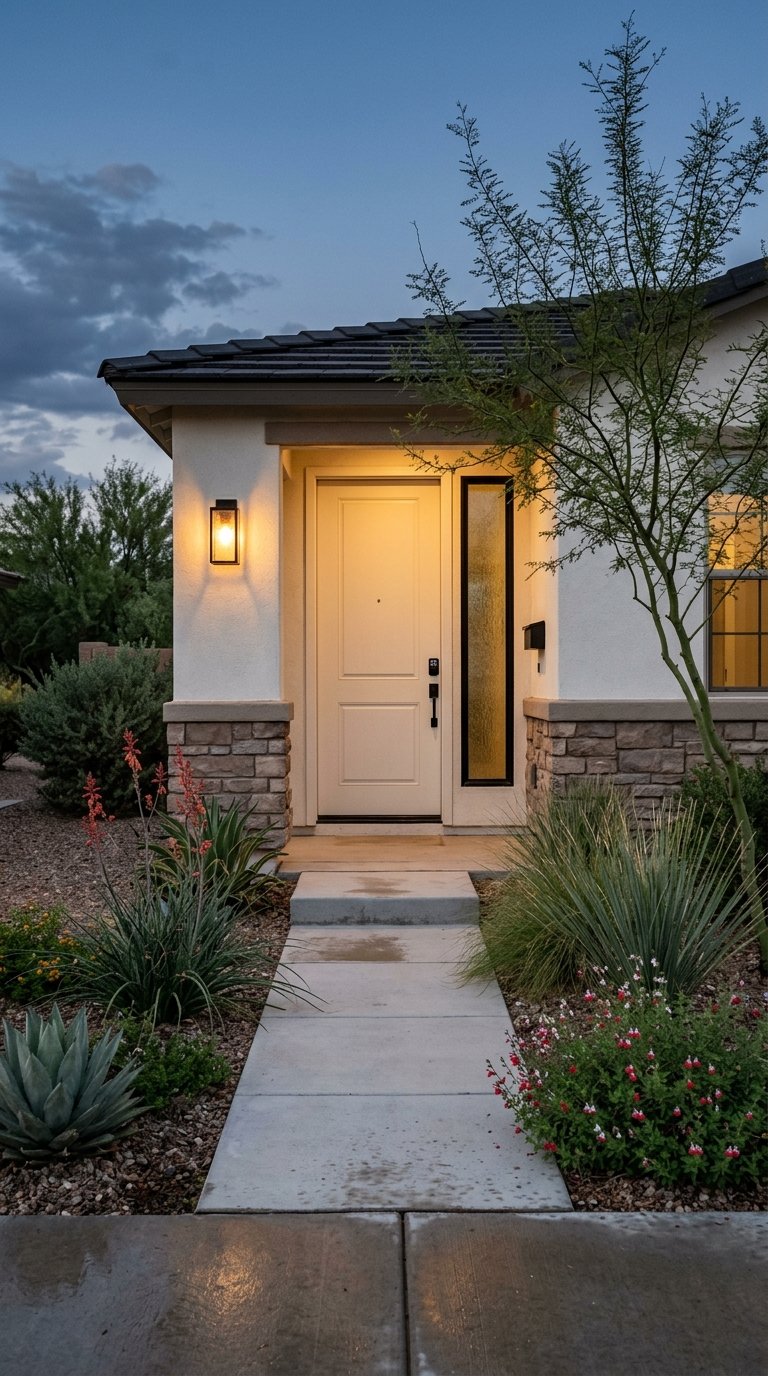
  • Professional photos, plus a twilight exterior if curb appeal shines.
  • Virtual tour and accurate floor plan so remote and first-time buyers can study the layout.
  • Clear, benefit-led copy that highlights move-in readiness, estimated cost to own where known, and proximity to major job centers, shopping, parks, and schools.
  • A showing plan that fits neighborhood norms. Some areas respond to early broker previews during the week while others do best with weekend open houses. Your agent will guide you based on recent local results.

What to expect once your home goes live

Activity usually follows a predictable arc. After showings and an accepted offer, most financed deals in Nevada take about 30 to 45 days to close so the appraisal, underwriting, and title work can be completed. Cash buyers can close much faster, often within 7 to 14 days, which can help if you have tight move-out needs (Nevada closing timeline basics).

Common friction points:

  • Inspections. Expect a general inspection. You can reduce back-and-forth by fixing safety and major mechanical items up front, or by sharing a recent pre-listing inspection.
  • Appraisals. If prices are flat in your pocket of the valley, appraisal gaps are more likely. You may negotiate price, ask buyers to bridge a gap, or prioritize offers with appraisal protections.
  • Deal fallout. In cooler markets, more contracts return from pending status. Be prepared with a backup offer strategy and flexible scheduling if needed.

Know your net in Clark County

Understanding your closing costs helps you price and plan.

Typical seller costs include:

  • Agent commissions, commonly around 5 to 6 percent in local practice, and always negotiable.
  • Owner’s title insurance, which is often seller paid in Nevada, plus escrow and recording fees.
  • Nevada documentary transfer tax, generally $1.95 per $500 of value under state statute. You can estimate this as roughly 0.39 percent of the sale price, then confirm the final amount with your escrow officer (Clark County transfer tax overview).
  • HOA transfer and resale document fees if applicable, along with prorated taxes and utilities at closing.

For a full rundown of common seller charges in the Las Vegas area, review this local summary and then ask your title company for an itemized estimate tailored to your sale (Las Vegas seller closing cost guide).

A simple way to think about your net proceeds:

  • Start with your expected sale price.
  • Subtract your mortgage payoff and any liens.
  • Subtract commission, title, escrow, recording, transfer tax, and HOA-related fees.
  • Subtract agreed credits or repairs.
  • What remains is your estimated net to you.

Quick checklist and timeline

Use this as your at-a-glance plan.

  • Decide your target list date and allow 6 to 12 weeks for prep so you are not rushed (seasonal timing overview).
  • Order your HOA resale packet early and confirm all fees and timing (NV HOA fee changes).
  • Schedule a pre-listing inspection or at least HVAC, roof, and pest checks for peace of mind and smoother underwriting (VA termite inspection context).
  • Complete curb-appeal upgrades and light interior refreshes, then stage and book professional photos. Use ROI-backed projects to keep costs smart (Cost vs. Value highlights).
  • Price from a fresh CMA and be ready to adjust quickly if early showings are thin and feedback confirms it (launch-window strategy).
  • Plan for a 30 to 45 day financed closing, or faster if you accept a cash offer, and keep your seller net sheet updated with your escrow officer (Nevada closing timing).

Final thoughts

Selling a starter home in Las Vegas is about precision. When you prep the right items, price from real comps, and market to the way first-time buyers shop, you set yourself up for a confident sale and a cleaner closing. If you are weighing spring versus sooner, or wondering which updates will actually pay you back, you do not have to guess. Reach out, and let’s build a simple, numbers-first plan that fits your timeline and budget.

Ready to take the next step? Connect with Isabel Hutchings for a free local market consultation and a customized pre-listing plan. Bilingual service available in English and Spanish.

FAQs

When is the best time to sell a Las Vegas starter home?

  • Late spring often offers a seasonal boost, but rising local inventory can reduce that premium, so plan 6 to 12 weeks ahead and let neighborhood comps guide timing (seasonality research, LVR trends).

What low-cost updates add the most value before listing?

  • Focus on curb appeal and first impressions such as a new garage door, an upgraded entry door, and a minor kitchen refresh, which rank high for cost recoup at resale (Cost vs. Value overview).

Do I need a termite or WDO inspection to sell in Nevada?

  • Not always, but VA and some FHA appraisals can require it if there is evidence of pests, so older homes or wood-framed areas benefit from checking early (VA termite inspection basics).

How long does closing take for financed buyers in Nevada?

  • Most financed transactions close in about 30 to 45 days, while cash deals can close in 7 to 14 days if title and escrow are clear (closing timeline guide).

What seller closing costs should I expect in Clark County?

  • Plan for commission, owner’s title policy, escrow and recording fees, HOA-related charges if applicable, and Nevada’s documentary transfer tax at about 0.39 percent of the sale price (transfer tax overview, local cost summary).

How should I price a home under $400,000?

  • Price from a fresh CMA that reflects the last 30 to 90 days, pay attention to round-number search brackets, and aim to drive strong showings in the first 1 to 2 weeks rather than plan on a later price cut (launch-window strategy).

Work With Isabel

Dedicated to helping you find the right home with care and integrity. Whether buying or selling, she listens to your needs and guides you through every step with patience and expertise. Your home journey starts here.

Follow Me