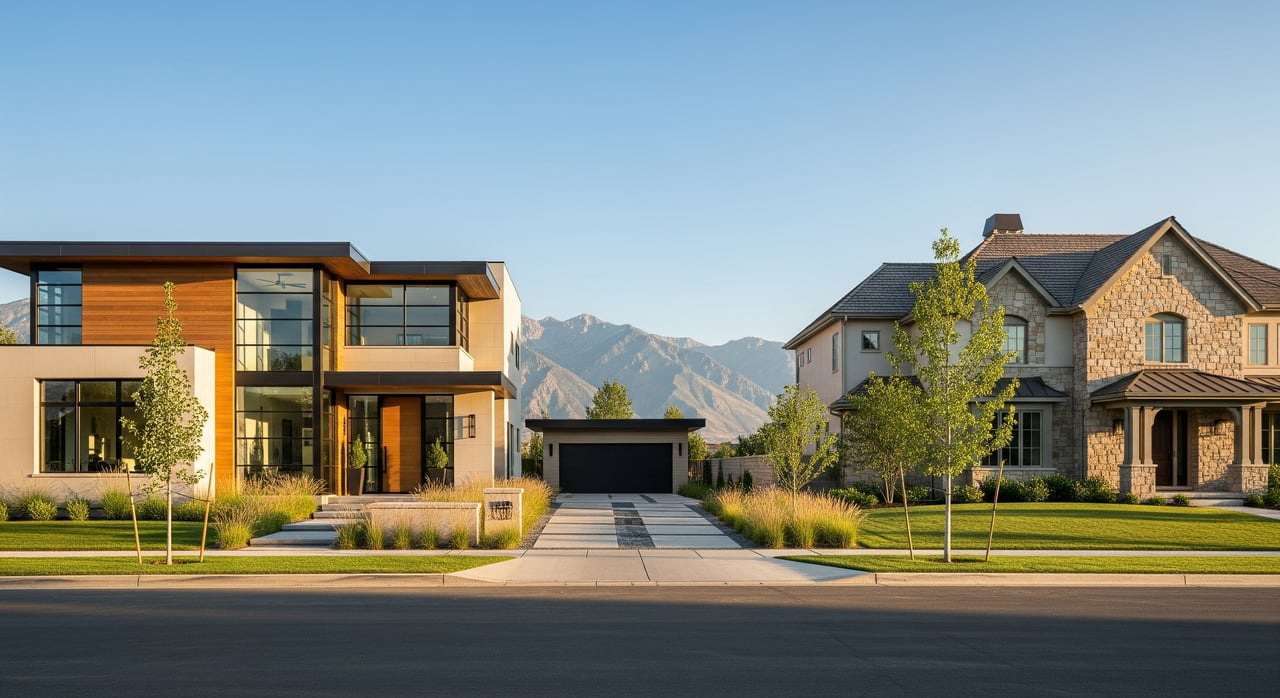
Deciding Between New Construction and Resale in Lehi
December 18, 2025
December 18, 2025
Thinking about buying in Lehi and torn between a brand-new build and a resale home? It is a common question in Utah’s Silicon Slopes corridor where both options are strong. You want the right mix of timing, budget, location, and peace of mind. This guide breaks down timelines, warranties, pricing, inspections, HOAs, financing, and a clear decision checklist so you can move forward with confidence. Let’s dive in.
Lehi sits in the heart of the Silicon Slopes tech hub, so housing demand follows job growth and new development. You will see master-planned communities with fresh amenities alongside established neighborhoods with mature landscaping. When market inventory tightens, builder incentives and resale negotiation power can shift. Knowing how each path works helps you capture value in any market.
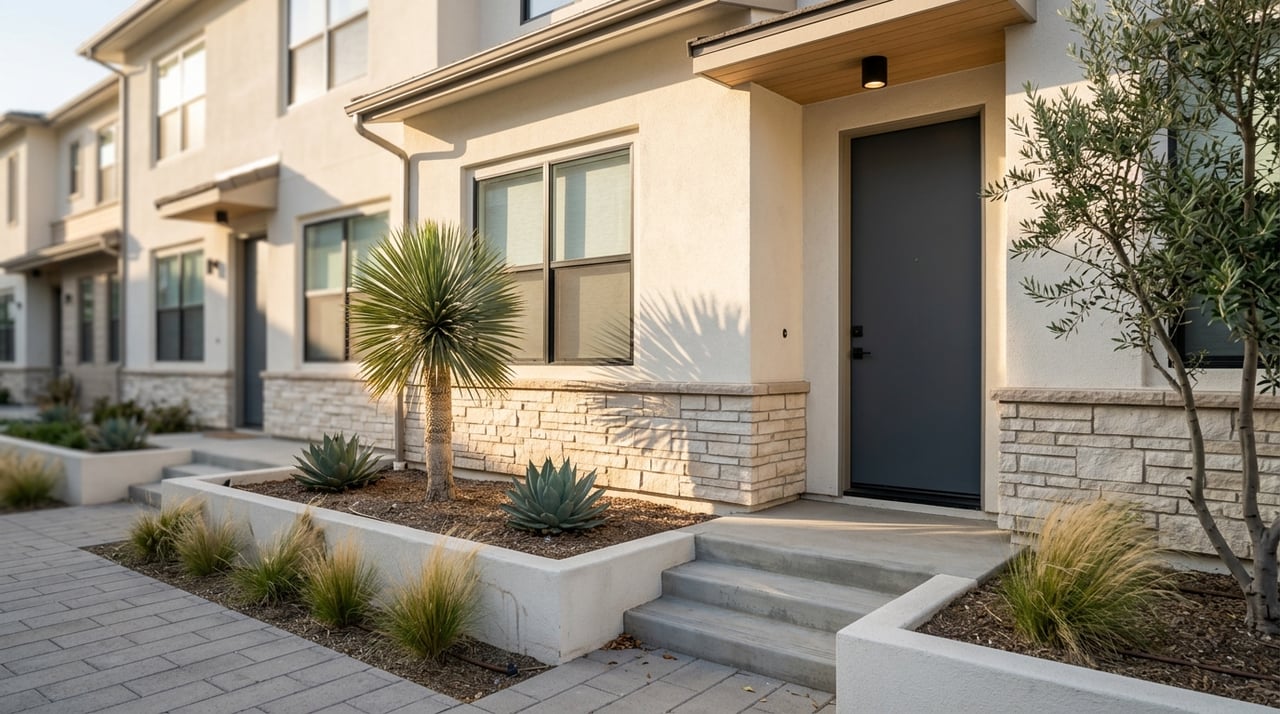
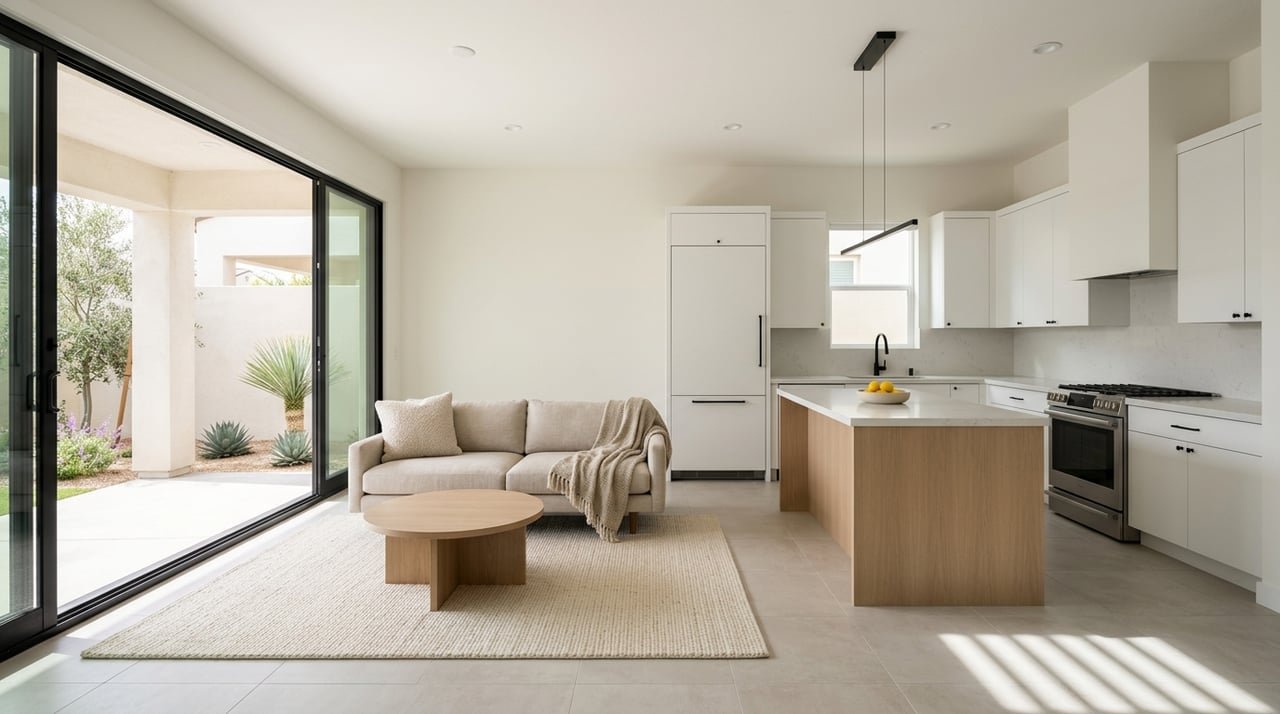
If you want proximity to new amenities and the chance to personalize features, new construction can shine. If you need a faster, more predictable move-in or prefer established neighborhoods, a resale may fit better.
Once you have a contract, a standard resale closes in about 30 to 45 days if financing and title work stay on track. If the home is vacant and your lender is ready, this is often the fastest path to keys.
Many builders use a layered “1-2-10” model. That often means one year for workmanship and materials, two years for major systems, and ten years for structural defects. Coverage varies by builder and warranty provider, so read the contract closely. Know claim deadlines, exclusions, and how to submit service requests.
A warranty is helpful, but it is not a substitute for an independent inspection. You still want a thorough review before closing.
Resale homes do not come with a builder warranty. You can purchase a third-party home warranty for systems and appliances, but those policies have caps and exclusions. Your strongest protections are your home inspection, seller disclosures, and any repairs or credits you negotiate during your contingency period.
Builders list a base price for the floor plan, then add a lot premium for features like corner lots, cul-de-sacs, views, or walkout basements. The base price often excludes popular upgrades, and those choices can add up quickly. Ask for a detailed price sheet that breaks out base price, lot premium, and options.
Builders sometimes offer mortgage rate buydowns, closing-cost credits, or free upgrades. Incentives tend to be stronger when inventory is higher or mortgage rates are elevated. Understand if the buydown is temporary or permanent and how the credit is applied. Confirm any deadlines or conditions.
With a resale, you usually negotiate sale price, repairs, closing costs, and timing. Sellers rarely offer the same kind of rate buydown that a builder can structure with a preferred lender. Your leverage often depends on days on market, condition, and how many competing buyers are in play.
Compare total costs, not just list prices:
Schedule two independent inspections with a pro who knows new builds:
Review the warranty orientation and service process before closing so you know how to file claims.
Order a whole-house inspection that reviews roof age, foundation and settlement, plumbing and electrical, HVAC history, water heater age, insulation, moisture signs, and any wood-destroying organism risks. Consider specialty add-ons:
New subdivisions and master-planned communities in Lehi often have HOAs that manage exterior standards, landscaping, and shared amenities. Developers typically control the HOA until a formal handoff to homeowners. Early fees may be modest, then rise as amenities and maintenance needs increase. Special assessments are possible if reserves are not fully funded.
Older associations often have a longer track record. You can review budget history, reserve studies, and meeting minutes to gauge financial health and rule enforcement. Neighborhood character and landscaping are usually more predictable.
Ask for a complete HOA packet and read these items carefully:
Most buyers use a standard conventional mortgage. Contracts usually include financing, inspection, and appraisal contingencies. If everything is aligned, 30 to 45 days is a common close.
If you are building during the contract period, you may need a construction loan or a construction-to-permanent loan that converts at completion. Lenders often require extra documentation and periodic inspections during the build. Builders sometimes offer mortgage rate buydowns or closing credits. Ask whether a buydown is temporary or permanent and who is paying the cost.
During construction, be mindful of mechanics lien exposure if subcontractors are unpaid. Confirm the builder’s lien waiver process and how title will protect you. Your purchase agreement should spell out completion dates, remedies for delays, change-order procedures, and clear paths for termination if timelines are missed.
Use these quick prompts to narrow your choice:
Choosing between a new build and a resale in Lehi comes down to your timing, budget, and comfort with construction versus move-in-ready certainty. With a clear plan, you can compare both paths fairly and negotiate from strength.
If you want a calm, experienced guide by your side, reach out to Isabel Hutchings for buyer representation or relocation support. You will get clear steps, steady communication, and local insight tailored to your goals. Connect with Isabel Hutchings to explore both options and choose with confidence.
Stay up to date on the latest real estate trends.
Dedicated to helping you find the right home with care and integrity. Whether buying or selling, she listens to your needs and guides you through every step with patience and expertise. Your home journey starts here.

Isabel Hutchings
Berkshire Hathaway HomeServices Utah Properties
6340 South 3000 East Suite 600
Salt Lake City Utah 84121
Berkshire Hathaway HomeServices Nevada Properties
3185 St Rose Parkway Suite 100
Henderson Nevada 89052