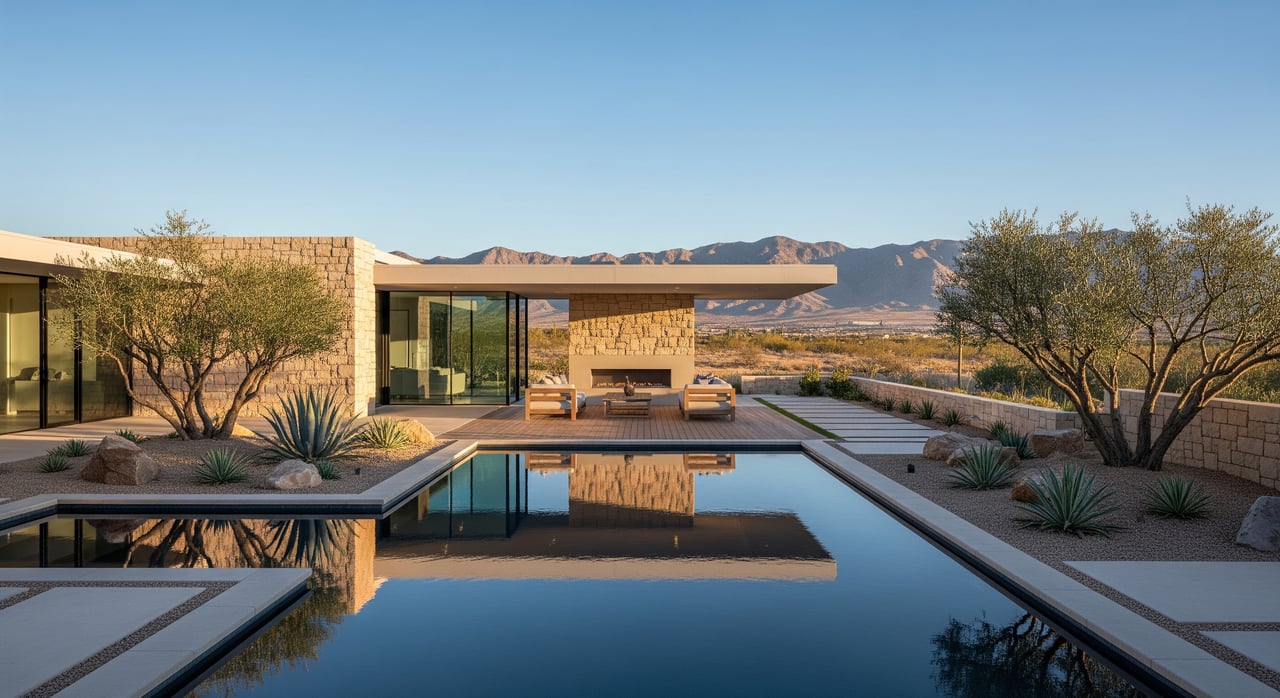
Everyday Living in Las Vegas Neighborhoods Beyond the Strip
February 5, 2026
February 5, 2026
Think Las Vegas is only neon lights and 24-hour casinos? Most locals spend their days in quiet neighborhoods, not tourist corridors. If you are considering a move, you probably want to know what daily life looks like, how people commute, and where you will shop, relax, and find services. In this guide, you will learn how Las Vegas living works beyond the Strip so you can choose a neighborhood that fits your lifestyle and budget. Let’s dive in.
Master-planned areas like Summerlin on the west side and parts of Henderson such as Anthem and Seven Hills offer newer homes, trail networks, community parks, and a variety of amenities. These neighborhoods often include gated enclaves, golf courses, and community centers. You will find a range of single-family homes, townhomes, and condos in well-kept settings. Many subdivisions here have HOAs with design guidelines and shared amenities.
Southwest Las Vegas neighborhoods, including Enterprise and Spring Valley, mix newer subdivisions with shopping centers and schools within a short drive. Green Valley in Henderson and parts of Summerlin South and Sunrise Manor also fall into this mid-market tier. You can expect typical suburban conveniences like grocery plazas, gyms, and medical offices close by. Homes range from single-family to attached townhomes.
North Las Vegas and older pockets of West Las Vegas offer more affordable options compared with some west-side and Henderson communities. You will see a mix of older homes with larger lots and newer developments near industrial employment hubs. Some areas are experiencing ongoing redevelopment and infill. These neighborhoods can be a fit if you are prioritizing price and space over brand-new construction.
Downtown Las Vegas and the Arts District provide an urban vibe with smaller lots, condos, and apartments. Residents enjoy proximity to local coffee shops, galleries, and a growing dining scene. This area appeals to buyers and renters who want shorter commutes to downtown offices and a walkable lifestyle. Housing styles vary widely, from vintage bungalows to modern lofts.
Henderson operates with its own commercial centers, parks, and medical facilities while staying closely connected to the Las Vegas core. Boulder City to the southeast has distinct zoning rules that limit large-scale development, producing a quieter small-town environment. Both offer alternatives if you prefer a different feel while remaining within the same metro region. Commute times vary by route and destination.
Las Vegas is largely car dependent, so most residents drive for work, school, and errands. The road network revolves around I-15, the I-215 beltway, and US-95, which shape drive patterns to employment centers downtown, on the Strip, and around medical and industrial areas. The Regional Transportation Commission of Southern Nevada operates countywide bus service with key routes linking downtown, the Strip, UNLV, and suburban hubs. There is no rail system at this time, and bike commuting is possible in some corridors but is less practical during peak summer heat.
Daily shopping happens at neighborhood centers anchored by national grocers like Smith’s, Albertsons, and Trader Joe’s, plus big-box stores such as Target and Walmart. Suburban hubs like Summerlin Town Center, Henderson’s Galleria area, and The District at Green Valley Ranch offer dining, banking, and personal services. Outside the tourist zone, retail is geared to residents, from dry cleaning and pet care to urgent care clinics. You will also find farmers markets in Summerlin, Henderson, and Downtown, along with Chinatown on Spring Mountain Road, which is a year-round destination for diverse restaurants and specialty markets.
Most of the valley is served by the Clark County School District, one of the largest in the country. Options include zoned public schools, magnet programs, charter schools, and private schools. After-school life often revolves around community parks, rec centers, youth sports, and local arts programs. Availability and schedules vary by neighborhood, so it helps to check boundaries and programs early in your search.
If you love the outdoors, you have plenty of options. Red Rock Canyon National Conservation Area sits just west of Summerlin for hiking, climbing, and scenic drives. Mount Charleston to the northwest offers cooler temperatures, mountain trails, and winter snow activities. Around the valley, you will find regional parks like Sunset Park, Floyd Lamb Park, and Wetlands Park, plus community parks and trail networks throughout master-planned areas. Lake Mead is a popular day trip for water recreation, and golfers will find courses across the metro.
Summers are hot and dry, and that shapes routines. Locals often exercise early in the morning or later in the evening, plan indoor activities in the afternoon, and pay close attention to hydration and sun protection. Winter and spring are prime outdoor seasons for longer hikes and all-day park visits. Good home insulation and reliable air conditioning are important for comfort and energy efficiency.
Nevada has no state income tax, which is a meaningful factor for many relocators. Property taxes are considered moderate by regional standards, though your bill will reflect home values and local rates. Sales tax in Clark County is above the national average, so factor that into household budgets. For up-to-date numbers, look to official sources such as the Nevada Department of Taxation and the Clark County Assessor.
NV Energy provides most residential electricity service, and summer cooling can be a significant portion of your bill. Southwest Gas is the main provider for natural gas service. The Southern Nevada Water Authority manages conservation programs and seasonal watering schedules suitable for the desert climate. Many communities encourage or require low-water landscaping, and you will see xeriscaping throughout the valley. Ask about rebates for turf removal and efficiency upgrades.
HOAs are common, especially in master-planned areas like Summerlin and many Henderson subdivisions. Dues typically support amenities such as pools, parks, common-area landscaping, and community events. Before you buy, review the CC&Rs, dues history, reserve funds, rental policies, and parking rules. If you plan to remodel, check city or county permit requirements because rules differ among Las Vegas, Henderson, North Las Vegas, and Boulder City.
Expect prolonged stretches over 100 degrees in summer, along with occasional monsoon storms that can bring quick downpours and gusty winds. Air quality can be affected by regional wildfire smoke at times in late summer or early fall. Winters are mild in the valley but much cooler in nearby mountains. Reliable HVAC systems and weather-aware planning will help you manage year-round comfort.
These west-side communities feature extensive trails, park networks, and proximity to Red Rock Canyon. Housing leans newer, with many HOA-governed subdivisions and a range of home types. Shopping and dining nodes are embedded throughout the area for easy daily errands.
Henderson offers broad suburban coverage with its own retail, medical, and civic services. Green Valley is an established area with mature neighborhoods, while Anthem and Seven Hills tend to include planned amenities and golf-adjacent enclaves. Commuting depends on your destination, with I-215 providing access around the valley.
This corridor includes growing subdivisions, mid-market housing, and quick access to the airport and central employment zones. You will find diverse dining along major arterials and convenient shopping centers. Homes range from townhomes to single-family residences.
These neighborhoods offer relatively more affordable single-family options compared with some west-side and Henderson areas. Expect longer commutes to downtown depending on your route, countered by access to regional parks and mountain recreation. Local retail nodes provide everyday services within a short drive.
North Las Vegas blends older communities with newer developments near industrial employment centers. It can be a value-forward option with a variety of home styles. As with any area, compare micro-neighborhoods to find the right fit for your needs.
Urban infill in and around downtown delivers walkable access to cafes, galleries, and small businesses. Housing types range from historic cottages to modern condos and apartments. This is a practical choice if you want an urban feel and shorter trips to downtown offices.
Boulder City keeps a small-town atmosphere with distinct development rules and a quieter pace. It sits southeast of the core valley, so weigh your commute against the lifestyle benefits. Lake Mead access is a nearby perk for weekend recreation.
Beyond the Strip, Las Vegas is a network of neighborhoods where life feels familiar and convenient. You will drive to work, shop at nearby centers, explore parks and trails, and enjoy a growing local dining scene. With clear priorities and a guided neighborhood tour plan, you can find the setting that fits your routines and long-term goals.
If you want local, hands-on guidance from search to closing, connect with an experienced advisor who knows these neighborhoods well. Reach out to Isabel Hutchings for a warm, step-by-step approach to buying or selling across Las Vegas and Henderson.
Stay up to date on the latest real estate trends.
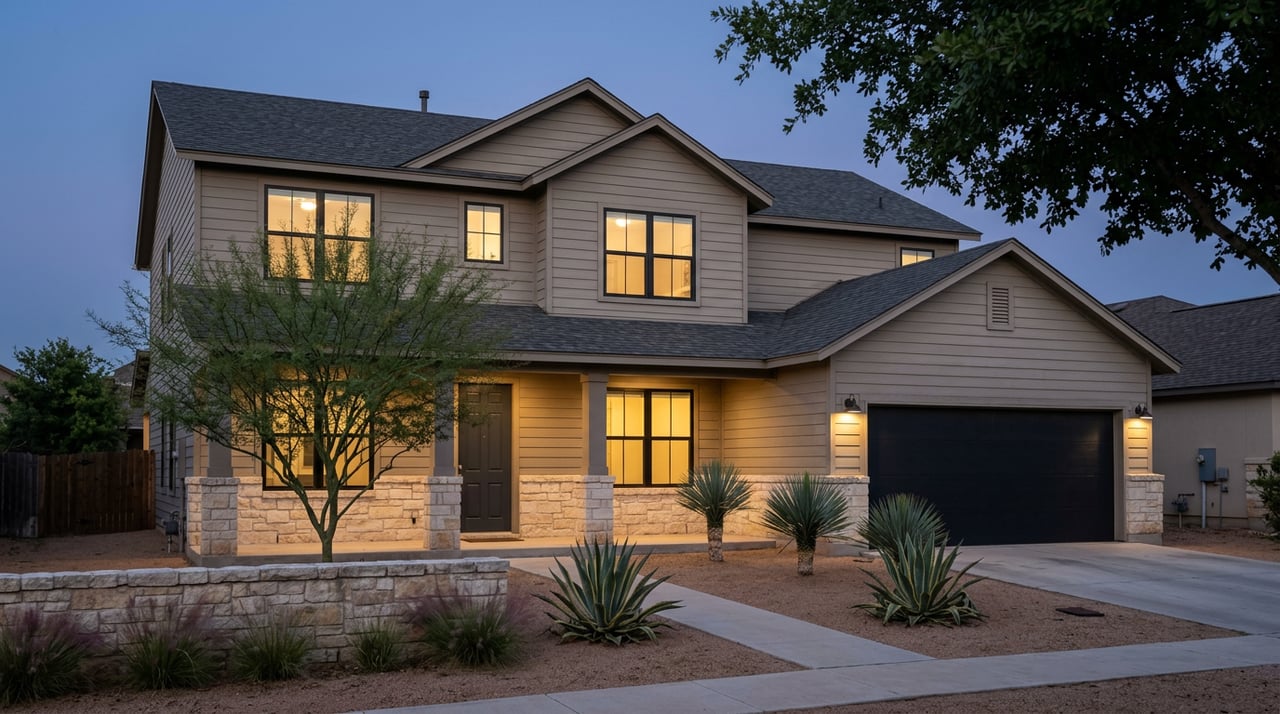
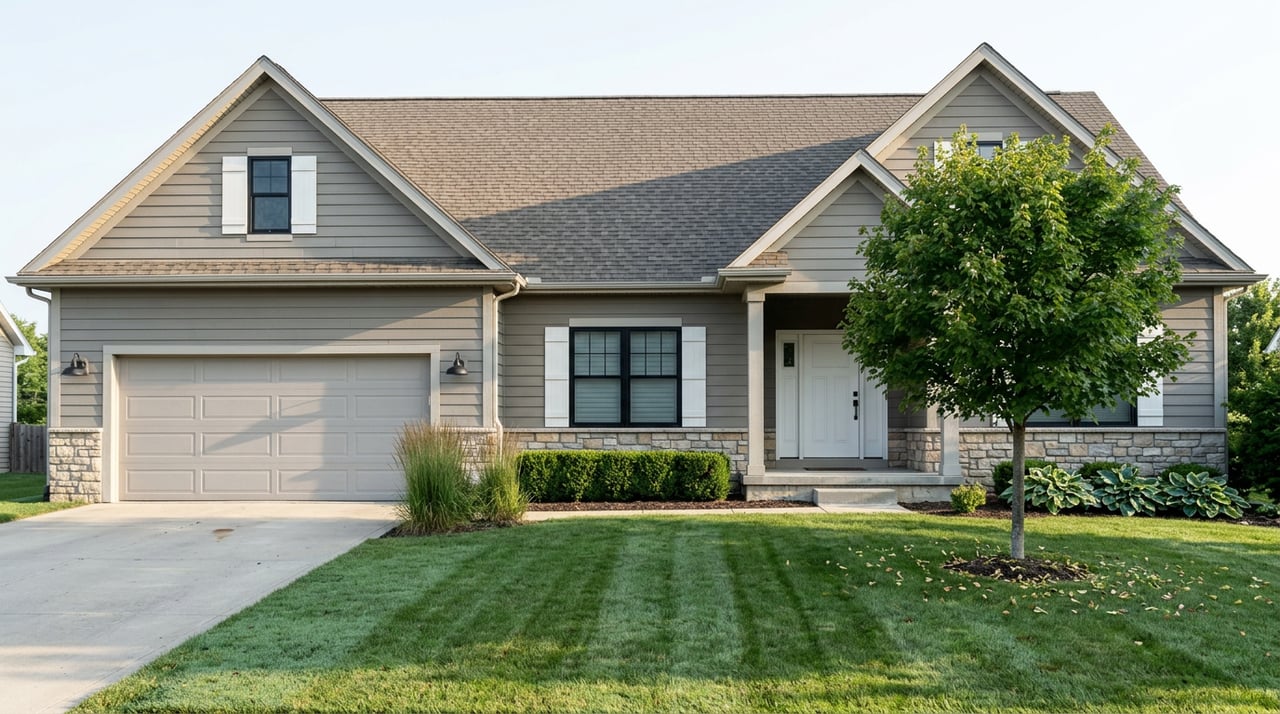

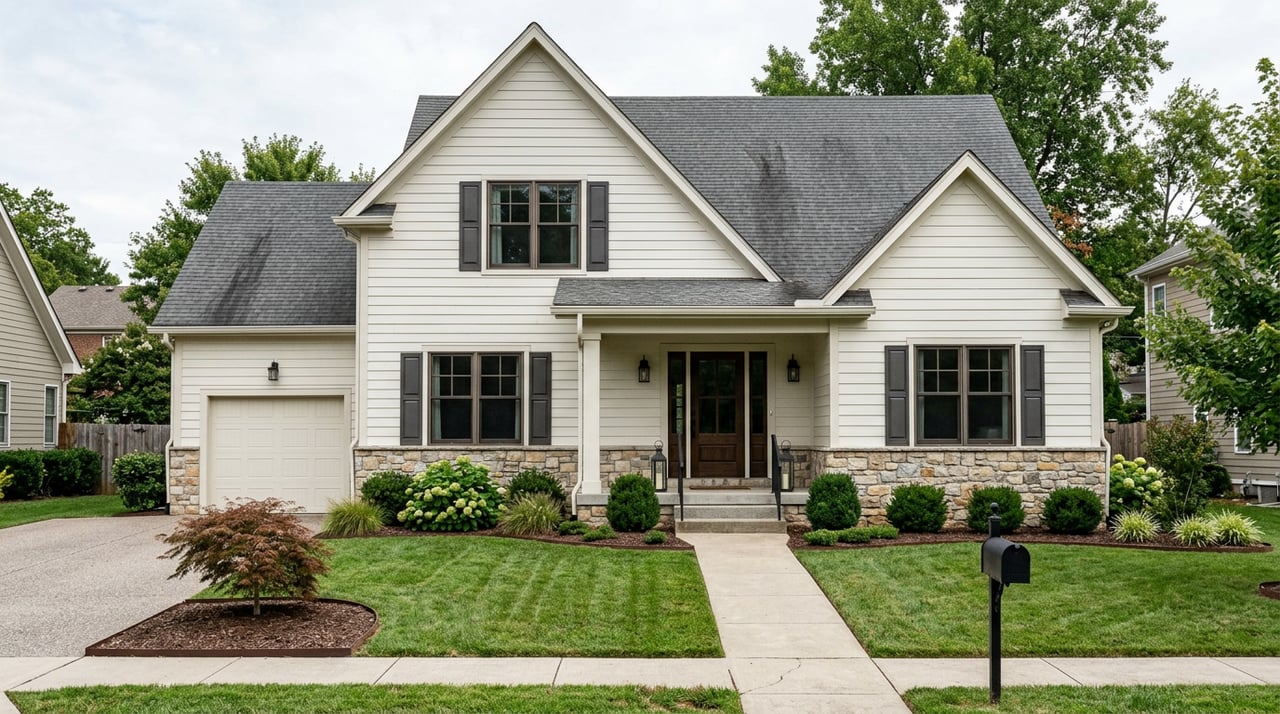
Dedicated to helping you find the right home with care and integrity. Whether buying or selling, she listens to your needs and guides you through every step with patience and expertise. Your home journey starts here.

Isabel Hutchings
Berkshire Hathaway HomeServices Utah Properties
6340 South 3000 East Suite 600
Salt Lake City Utah 84121
Berkshire Hathaway HomeServices Nevada Properties
3185 St Rose Parkway Suite 100
Henderson Nevada 89052