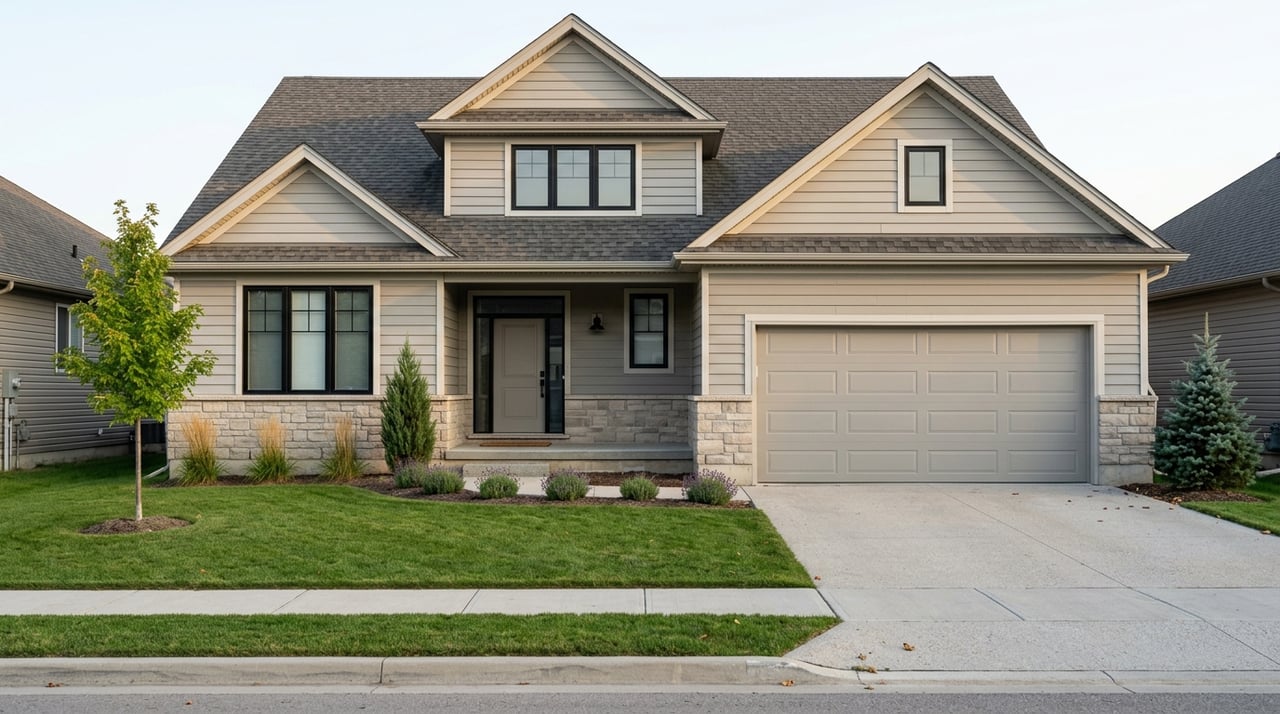
Your Guide to Moving to Draper and Finding the Right Home
May 7, 2026
May 7, 2026
Thinking about moving to Draper from out of state? You are probably trying to balance a lot at once, like commute options, home prices, neighborhood feel, and whether the day-to-day lifestyle will actually fit your routine. The good news is that Draper offers a mix of suburban living, access to major job centers, and strong outdoor amenities that appeal to many relocating buyers. If you want a practical look at what to expect before you make the move, this guide will help you narrow your choices with more confidence. Let’s dive in.
Draper sits at the Point of the Mountain, which gives it a unique position between Salt Lake Valley and Utah Valley. The city describes itself as having a residential pace with a metropolitan setting, and that helps explain why so many relocating buyers put it on their shortlist.
If you are coming from out of state, that location can be a major advantage. Draper offers access to local trail systems, a large business base in the Silicon Slopes corridor, and connections to both northern and southern parts of the region.
According to Census estimates, Draper had a population of 50,166 in July 2024. The city also shows a high broadband rate of 94.7%, which can matter if you work remotely or need dependable internet for a hybrid schedule.
Draper tends to appeal to buyers who want a suburban setting without feeling cut off from jobs, shopping, or regional travel. The average commute time is 24.0 minutes, which gives you a helpful baseline as you compare housing options.
The city is also known for its outdoor access. Draper reports 117 miles of scenic trails, 5,000 acres of open space, and more than 42 parks, with amenities that include hiking and biking trails, splash pads, skate parks, and off-leash dog areas.
That outdoor lifestyle is a real part of the local rhythm. If you like the idea of weekday convenience mixed with easy access to recreation on weekends or evenings, Draper may feel like a strong fit.
If you are relocating from a very different climate, it helps to know what the seasons are like. Nearby NOAA climate normals support a pattern of hot, dry summers and cold, snowy winters.
The 1991 to 2020 annual mean temperature at the nearby Salt Lake City station was 54.7 degrees, with annual precipitation of 15.52 inches and annual snowfall of 51.9 inches. July has a mean high of 94.0 degrees, while January averages a high of 38.6 degrees and a low of 24.2 degrees.
For many out-of-state buyers, this means preparing for true winter conditions as well as warm summer days. If weather affects your commute, travel plans, or home-maintenance preferences, that is worth factoring in early.
One of the biggest mistakes relocating buyers make is assuming Draper is only a single-family-home market. In reality, the city’s planning documents show a broader housing mix that includes townhomes, condos, and other attached housing types in addition to detached homes.
Draper’s 2025 moderate-income housing report says the city is updating zoning to expand permitted housing types, including cottage courts, duplexes, triplexes, fourplexes, and townhomes. The city has also entered workforce-housing agreements for at least 37 units.
That matters because your options may be more varied than you expect. Depending on your budget, commute needs, and maintenance preferences, you may want to compare a foothill resale home, a transit-adjacent townhome, and a newer infill property before deciding.
Budget is one of the first filters for anyone moving from out of state. Census data shows that Draper has a median owner-occupied home value of $784,800, while median gross rent is $1,894.
Those numbers do not tell you what every home costs, but they do give you a useful starting point. If you are coming from a lower-cost market, you may need to adjust your expectations on home size, age, lot size, or property type.
Owner occupancy in Draper is 68.6%, and the average household size is 2.87. These stats help paint a picture of a city with an established residential base rather than a short-term or highly transient feel.
If you are moving from another state, new construction can sound appealing because everything is fresh and move-in ready. Still, it is important to compare that convenience with contract terms, HOA rules, and the pace of development around the property.
Draper’s building division processes permits for homes, townhouses, apartments, commercial buildings, and twin homes through its online portal. The city also allows both detached and internal accessory dwelling units, but single-family homeowners with ADUs must obtain a permit.
Resale homes can offer established streetscapes and a clearer picture of surrounding development. Newer homes and infill properties may give you modern layouts and lower immediate maintenance, but buyer contracts can differ from Utah’s standard REPC, so careful review matters.
Many out-of-state buyers are used to HOA communities, but Utah due diligence still matters. The Utah home-buyer checklist notes that every HOA must register annually with the state, and a noncurrent association cannot enforce a lien until its registration is current.
The same checklist advises buyers to review CC&Rs, budgets, meeting minutes, fees, special assessments, master-association structures, and rental limits. It also notes that seller-requested HOA documents are due within 14 days.
This is especially important in Draper because many buyers will compare condos, townhomes, and planned communities. Before you commit, make sure you understand not just the monthly dues, but also how the HOA operates and what restrictions may affect your plans.
Commute patterns are one of the most important parts of a smart relocation decision. Draper works for many buyers because it serves as both a jobs center and a commuter base.
The city says both Salt Lake International Airport and Provo Municipal Airport are about 30 minutes away by car. That can be useful if you travel often for work or expect frequent visits from friends and family after your move.
UTA service also gives you more than one way to get around. The TRAX Blue Line runs from Draper to Salt Lake City, with Draper-area stations at Draper Town Center and Kimballs Lane, and UTA says TRAX runs seven days a week with 15-minute peak frequency.
Draper also has a FrontRunner station at 12997 S. FrontRunner Blvd. Bus service connects to the wider Salt Lake and Utah county network and includes local, commuter, flex, and paratransit options.
When you are moving from out of state, it helps to keep your home search simple and structured. A practical Draper shortlist often comes down to four main filters: commute pattern, school boundary, HOA tolerance, and home type.
That means you should start by asking a few basic questions:
Draper’s planning pages include station-area plans for Kimballs Lane, Crescent View, and Draper FrontRunner, which can help you understand where future growth may be concentrated. For some buyers, that is a positive because it may mean better transit access and newer housing choices. For others, a more established residential street may feel like a better fit.
If schools are part of your move, avoid assuming that city name alone will tell you where a home is assigned. Canyons School District directs residents to verify assignments using school boundary maps.
Current Utah State Board of Education data shows Draper-area options that include Draper Elementary, Oak Hollow School, Draper Park Middle, and Corner Canyon High. The key is to confirm the specific property address before you make a decision.
That extra step can prevent surprises later. It is one of the most important details for relocating buyers who are trying to align housing choices with daily routines.
If you want to make your move smoother, focus on comparison instead of chasing every listing. Narrowing your options into a few clear categories can save time and help you make a more confident choice.
A strong approach is to compare:
As you compare, pay close attention to builder paperwork, HOA terms, future development patterns, and your likely commute. Those details often shape your day-to-day satisfaction more than square footage alone.
Moving to a new state can feel overwhelming, but the process gets much easier when you have local guidance and a plan that matches your goals. If you are exploring Draper and want thoughtful, hands-on relocation support, Isabel Hutchings can help you sort through your options and move forward with clarity.
Stay up to date on the latest real estate trends.
Dedicated to helping you find the right home with care and integrity. Whether buying or selling, she listens to your needs and guides you through every step with patience and expertise. Your home journey starts here.

Isabel Hutchings
Berkshire Hathaway HomeServices Utah Properties
6340 South 3000 East Suite 600
Salt Lake City Utah 84121
Berkshire Hathaway HomeServices Nevada Properties
3185 St Rose Parkway Suite 100
Henderson Nevada 89052