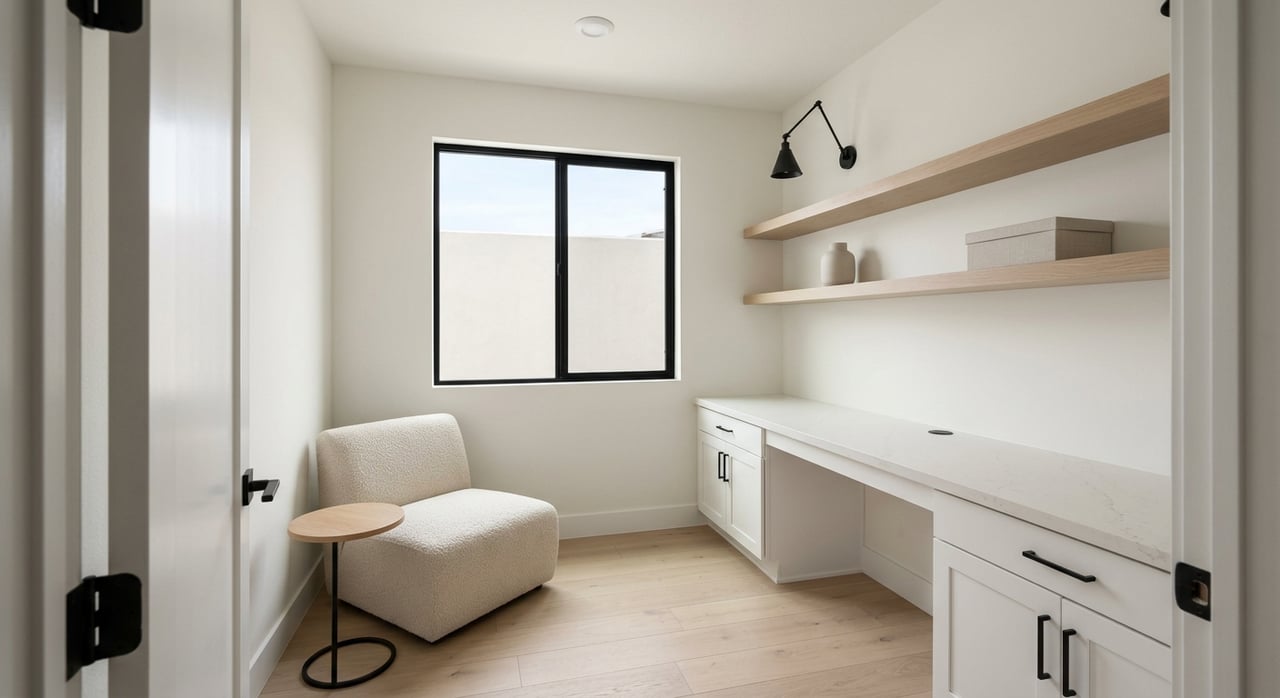
Lehi Housing for Tech Workers: How to Choose Wisely
May 21, 2026
May 21, 2026
Landing a new role in Utah’s tech corridor can feel exciting and overwhelming at the same time. You may be comparing commute options, home prices, and neighborhood styles all at once while trying to decide whether to rent, buy, or wait. This guide will help you sort through the big housing choices in Lehi so you can make a move that fits your work, budget, and daily routine. Let’s dive in.
Lehi sits in a fast-growing part of Utah County, and that growth is a big reason so many tech workers focus their home search here. Census QuickFacts reports a 2024 population of 93,446, a 75.2% owner-occupied housing rate, and a median owner-occupied home value of $612,100.
What makes Lehi especially important for new hires is that the city is planning for growth in a structured way. City planning documents point to transportation planning, transit-oriented development, and long-range land-use decisions, which means your housing choice can shape your commute, lifestyle, and day-to-day convenience.
Before you compare floor plans or builder incentives, think about how you want your workweek to feel. In Lehi, the difference between a home near FrontRunner, a freeway route, or a newer neighborhood with ongoing construction can have a real impact on your schedule.
Census QuickFacts lists Lehi’s mean travel time to work at 23.7 minutes. That number is helpful, but your actual experience will depend on where you live, when you leave, and whether you drive, use transit, or mix both.
UTA’s FrontRunner serves the Ogden-to-Provo corridor and includes a stop in Lehi. According to UTA, trains run Monday through Saturday, with 30-minute weekday peak service and 60-minute non-peak and Saturday service, plus free parking and bus connections at stations.
If you expect to rely on rail, station access should move higher on your priority list. A home that looks close on a map may feel less convenient if the actual route to the station adds stress during busy hours.
One of the smartest things you can do is test the exact trip you would take to work. Drive it during peak hours, or ride FrontRunner at the time you would normally leave home.
Lehi’s growth and road activity can change travel patterns quickly. The city’s active transportation planning around the station area and I-15 corridor means a practical test run can tell you more than online map estimates.
Lehi offers a mix of housing experiences, not just a mix of price points. Some areas are more transit-oriented and mixed-use, while others reflect the newer master-planned community model with HOA structure, amenities, and future phases still underway.
City planning documents also note that Lehi’s housing stock remains heavily single-family oriented, with 88% single-family units and 10% multifamily units in the broader station-area analysis. That matters if you are hoping to find an entry point into ownership without stretching for a detached home right away.
If your move is commute-first, the station area near Thanksgiving Point deserves a close look. The Lehi Frontrunner Station Area Plan describes this area as transit-oriented development with office, residential, active ground-floor retail, a transit plaza, and a pedestrian promenade.
For many new tech hires, this is the closest fit to a mixed-use, lower-car-dependence lifestyle in Lehi. It can appeal to buyers who want daily errands, transit access, and work connections to feel more integrated.
Holbrook Farms is a useful example of a newer master-planned community. Its HOA information shows that the neighborhood is still under construction, maps are evolving, and the community includes a master association and benefitted service neighborhoods.
The site also lists four builders: Building Dynamics, David Weekley, Ivory Homes, and Oakwood Homes. For you, that can mean more product variety, but it also means you should ask what is complete today versus what is still planned.
Spring Creek Ranch gives you another version of newer Lehi living. Its HOA site describes 398 homes, including 54 two- and three-story townhomes, along with parks, tennis and basketball courts, pavilions, open space, and more than 2 miles of trails.
The community also uses architecture guidelines and CC&Rs. That is not necessarily a drawback, but it does mean you should go in knowing that ownership may come with more structured rules and review processes.
The Skye Area Plan is worth watching if you are focused on newer housing stock. Lehi documents describe it as a unified mix of single-family homes and townhomes ranging from one to two stories.
The same documents also show that the area is still being expanded and refined. If you want new construction, that can be appealing, but it also makes it important to ask how future phases may affect traffic, views, noise, and nearby amenities.
For many relocated professionals, this is the biggest question. The answer often depends less on a headline home price and more on how long you plan to stay, how much you have for a down payment, and whether HOA dues fit your monthly budget.
Zillow’s current Lehi housing page puts the average home value at $573,872 and the average rent at $2,278. Freddie Mac’s weekly survey shows a 30-year fixed mortgage rate of 6.36% as of May 14, 2026, and using those figures, a 20% down payment on the average Lehi home works out to roughly $2,860 per month in principal and interest alone, before taxes, insurance, and HOA dues.
If your job is new, your long-term plans are still forming, or you want time to learn Lehi block by block, renting can be a practical move. It can give you flexibility while you test commute patterns and get a better feel for which part of the city matches your routine.
The research also suggests renting may be more attractive for shorter stays, especially when you factor in transaction costs and the upfront cash needed to buy. If you are not sure you will stay long enough to build equity comfortably, waiting may be the lower-pressure choice.
Buying tends to become more compelling when you expect to stay long enough to absorb moving and transaction costs and benefit from equity over time. It can also make sense if you want more control over your space or if you are ready to plant roots near work and local amenities.
As another benchmark, Census QuickFacts reports a median monthly owner cost with a mortgage of $2,201 and a median gross rent of $1,964 in Lehi. That relatively narrow gap shows why the decision often comes down to your down payment, the type of home you need now, and any HOA expenses tied to the community.
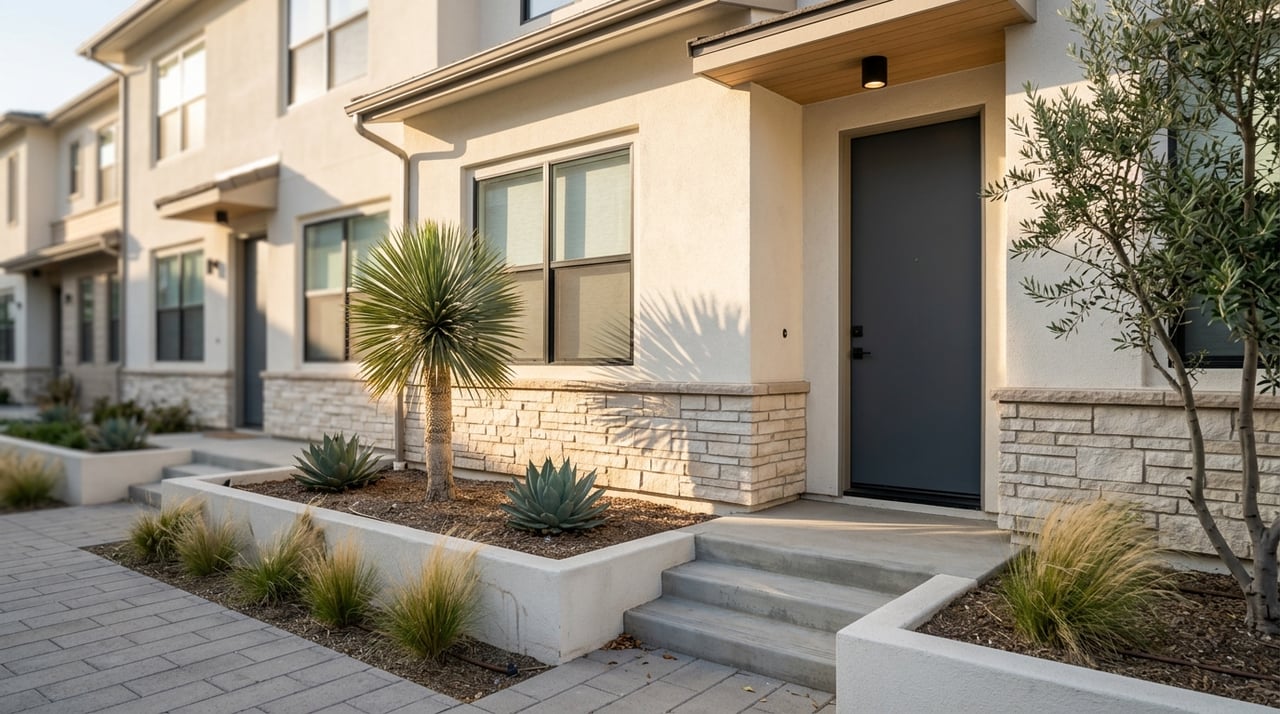
In a market where detached homes still dominate, townhomes can be an important stepping stone. They often offer a lower-cost path into ownership, especially for buyers who want to live in Lehi now and potentially move up later.
Lehi’s newer planning documents specifically make room for townhomes, stacked residential, and mixed-use housing near transit. For tech hires who want a simpler maintenance routine or a lower entry price than many single-family homes, attached housing can be worth serious consideration.
Many newer Lehi neighborhoods include HOA oversight, amenities, and design rules. That setup can create a more structured ownership experience, but it also means your monthly costs and property use may be shaped by community rules.
In communities like Holbrook Farms and Spring Creek Ranch, it is smart to ask direct questions before you commit. Focus on what the dues cover, what amenities are already finished, and what approvals may be required after you move in.
Your home search should include more than bedrooms and commute math. Lehi also offers major public spaces and destination amenities that can shape how you spend your evenings and weekends.
Thanksgiving Point is one of the area’s biggest lifestyle anchors. Research highlights Ashton Gardens, which spans 50 acres, Curiosity Farms in Lehi, and a year-round event calendar that includes the Tulip Festival.
Lehi City Family Park is another major local feature. The city describes it as an 85-acre park with an all-abilities playground, splash pad, amphitheater, and walking paths.
For buyers who want outdoor access, the Traverse Mountain Trails Master Plan is also a meaningful factor. Lehi says it is planning and building natural-surface trails for hiking, mountain biking, running, and equestrian use, and the 5-mile Sensei trail is already open.
If you are relocating for a tech job, try to narrow your options by lifestyle first, then by house. Decide whether your top priority is rail access, freeway convenience, newer construction, lower-maintenance living, or room to grow into a larger home later.
From there, compare neighborhoods in person and ask practical questions that match Lehi’s current realities. In this market, details like pending construction, HOA structure, and actual rush-hour travel can matter just as much as square footage.
A relocation move is a big decision, but it does not have to feel chaotic. With the right local guidance, you can compare Lehi housing options in a way that supports both your career and your day-to-day life. When you’re ready for personalized help with your move, reach out to Isabel Hutchings for experienced, hands-on support.
Stay up to date on the latest real estate trends.
Dedicated to helping you find the right home with care and integrity. Whether buying or selling, she listens to your needs and guides you through every step with patience and expertise. Your home journey starts here.

Isabel Hutchings
Berkshire Hathaway HomeServices Utah Properties
6340 South 3000 East Suite 600
Salt Lake City Utah 84121
Berkshire Hathaway HomeServices Nevada Properties
3185 St Rose Parkway Suite 100
Henderson Nevada 89052