The Line Item That Splits Two Identical-Looking Summerlin Homes
September 17, 2026
September 17, 2026
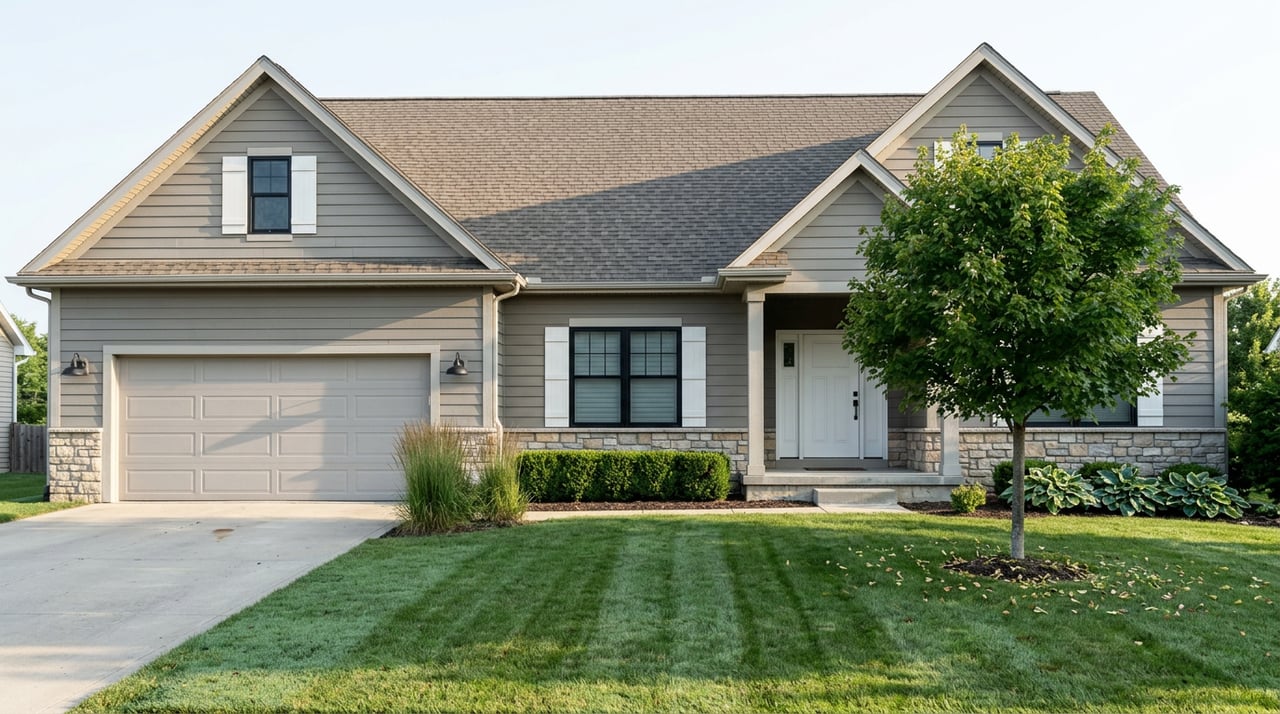
Two buyers toured the same two Summerlin listings last month. Same square footage, same finish level, same list price, both under contract within a week of each other. Then the first property tax bill landed on one of their desks, and it included a line neither buyer had asked about during the showing: an annual assessment that added roughly $1,500 a year to a home that, on paper, cost exactly the same as the one down the street.
That line is a Special Improvement District assessment, and in Summerlin it is one of the few numbers that can make two homes at the same price genuinely different deals. It rarely shows up in the listing photos, and it does not always show up clearly in the listing remarks either. It shows up on the Clark County tax bill, and by then the offer is already signed.
When Summerlin's western villages were built on raw desert land, someone had to pay for the roads, sewer lines, curbs, streetlights, and drainage that turned that land into a neighborhood. Rather than fold that cost into the builder's sticker price, Clark County or the City of Las Vegas created a Special Improvement District, sold bonds to cover the infrastructure, and assessed the parcels inside that district to repay the bond over time. Nevada's improvement-district law lets these assessments run as a lien on the property, similar in structure to a property tax, typically amortized over 10 to 20 years and billed semi-annually alongside the county tax statement.
The assessment travels with the land, not the owner. If a home still has a balance when it sells, that balance transfers to the buyer unless someone negotiates otherwise at closing. Summerlin's own community office, which fields the most common version of this question from residents, confirms the basic mechanics in its published SID materials: the district finances specific public improvements, the remaining balance stays with the parcel through a sale, and the county or an assessment administrator handles the billing depending on how the district was formed.
Summerlin has been building in phases since 1990, and the assessment picture looks nothing alike from one end of the master plan to the other. Older, established villages like Sun City Summerlin and The Vistas were built and bonded decades ago. Many of those districts have already amortized down to a small remaining balance or paid off completely. The newer western villages, including Kestrel, Redpoint, and Redpoint Square, were bonded far more recently to finance the infrastructure for ground that was raw desert as recently as 2020, and those balances are still working through their repayment schedule.
The dollar range is wide enough to matter to a monthly budget. Current guidance from teams working new construction in Summerlin West puts remaining SID balances on newer lots anywhere from roughly $10,000 to $60,000 or more, amortized over 10 to 20 years, which typically works out to somewhere between $25 and $150 a month depending on the lot and the bond terms. A newer western village and an established village can list at the identical price and still differ by a meaningful monthly amount once that assessment is added to the carrying cost.
Here is roughly how that looks across a few of Summerlin's more talked-about villages right now:
| Village | Typical era built | SID/LID picture |
|---|---|---|
| Sun City Summerlin | 1990s–2000s | Mostly paid off or minimal remaining balance |
| The Vistas | Established | Mostly paid off or minimal remaining balance |
| Stonebridge | Built out mid-2020s | Active assessment on many parcels, newer bond |
| Redpoint / Redpoint Square | Construction started 2020 | Active assessment common, higher remaining balance |
| Kestrel | Newest active phases | Active assessment likely, still amortizing |
Every parcel is its own case. A home in an older village can still carry a small remaining balance, and a newer village home occasionally has none, depending on when its specific phase was bonded. The table above is a starting expectation, not a substitute for pulling the actual parcel.
Here is where the assessment stops being a curiosity and starts being a negotiation. When a Summerlin home sells with an outstanding SID balance, someone has to decide what happens to it, and Nevada practice gives buyers and sellers real room to negotiate the answer.
A seller can pay off the remaining balance at closing, which clears the lien and hands the buyer a clean title with no ongoing assessment. That option reduces the seller's net proceeds by the payoff amount, which for a newer western village lot can run into five figures. Alternatively, the buyer can simply assume the remaining balance and keep paying the semi-annual installments the way the seller had been. Which path happens is a straightforward market condition question: in a buyer's market, sellers are more likely to offer the payoff as a concession to make their listing more attractive against a comparable home with no assessment. In a tighter, faster-moving market, buyers are more often willing to assume the balance rather than lose the house over it.
There is a second wrinkle that catches people who assume the assessment behaves like an HOA fee. It does not. HOA dues fund private community amenities and can be renegotiated by the association's board. A SID assessment repays a specific bond and cannot be waived, discounted, or folded into a homeowner vote. It ends when the bond is retired, not before, and most real estate professionals working this market do not recommend paying it off early even if you can, since retiring the balance ahead of schedule does not add to the home's resale value the way a kitchen remodel would.
Lenders treat the assessment as a real, recurring housing cost. If the SID is billed on the tax roll, most underwriters fold the annual amount into the qualifying payment alongside principal, interest, taxes, insurance, and HOA dues, which means a few hundred dollars of annual assessment can shift a buyer's debt-to-income math in a way that has nothing to do with the loan amount itself.
None of this shows up if the only two numbers you compare between listings are list price and square footage.
If you are actively shopping in Summerlin, the practical move is simple: before you write an offer, ask for the parcel's current SID or LID status and the payoff figure if one exists. That information lives in the preliminary title report, on the current Clark County tax bill if the assessment is already on the tax roll, and through a payoff letter from the county or the bond's assessment administrator if it is not. Your escrow officer can request this as part of the title search rather than waiting for it to surface after the fact.
If you are selling a home in one of the newer western villages, know ahead of time whether your property carries a balance and what the current payoff quote looks like, because a buyer's agent working a comparable listing without one will likely raise it during negotiations. Deciding in advance whether you plan to offer a payoff credit, or simply disclose the balance and let the buyer assume it, puts you in a stronger position than discovering the question at the title company two weeks before closing.
The thesis worth carrying out of this piece is not that assessments make Summerlin a worse buy. Sun City, The Vistas, Stonebridge, Redpoint, and Kestrel each get their infrastructure paid for by the same basic mechanism, just at different points in the repayment schedule. The thesis is narrower and more useful than that: at the same list price, two Summerlin homes are not automatically the same deal, and the number that tells you the difference rarely appears until the tax bill does.
Does paying off my SID balance early increase my home's value? Generally no. Because the payoff does not function as a capital improvement in the eyes of most appraisers, retiring the balance ahead of schedule typically does not move the sale price, though it does remove the lien for a cleaner closing.
Is a SID the same thing as an HOA fee? No. A SID or LID is a public assessment that repays county or city infrastructure bonds and is billed on or alongside the tax bill. HOA dues are private fees set by a homeowners association for community amenities and services. A Summerlin home can carry both at once, and they are budgeted separately.
How do I find out if a specific Summerlin home has a balance? Ask for the current Clark County tax bill, request a title report during escrow, or contact the community's assessment administrator directly for a payoff letter. Never assume a neighboring home's status applies to the one you are considering, since bonding can vary parcel by parcel even within the same village.
If you are weighing a move within Summerlin, whether that means comparing an established village against one of the newer western neighborhoods, or you are getting ready to list a home and want a clear picture of what buyers will ask, I can walk through the specific numbers with you before you write or accept an offer. You can browse more on the Summerlin neighborhood page, read our related breakdown of HOA fees in Summerlin, or reach out directly through Isabel Hutchings to schedule your free market consultation and get the parcel-level answers before you commit to either side of the deal.
Stay up to date on the latest real estate trends.




Dedicated to helping you find the right home with care and integrity. Whether buying or selling, she listens to your needs and guides you through every step with patience and expertise. Your home journey starts here.

Isabel Hutchings
Berkshire Hathaway HomeServices Utah Properties
6340 South 3000 East Suite 600
Salt Lake City Utah 84121
Berkshire Hathaway HomeServices Nevada Properties
3185 St Rose Parkway Suite 100
Henderson Nevada 89052