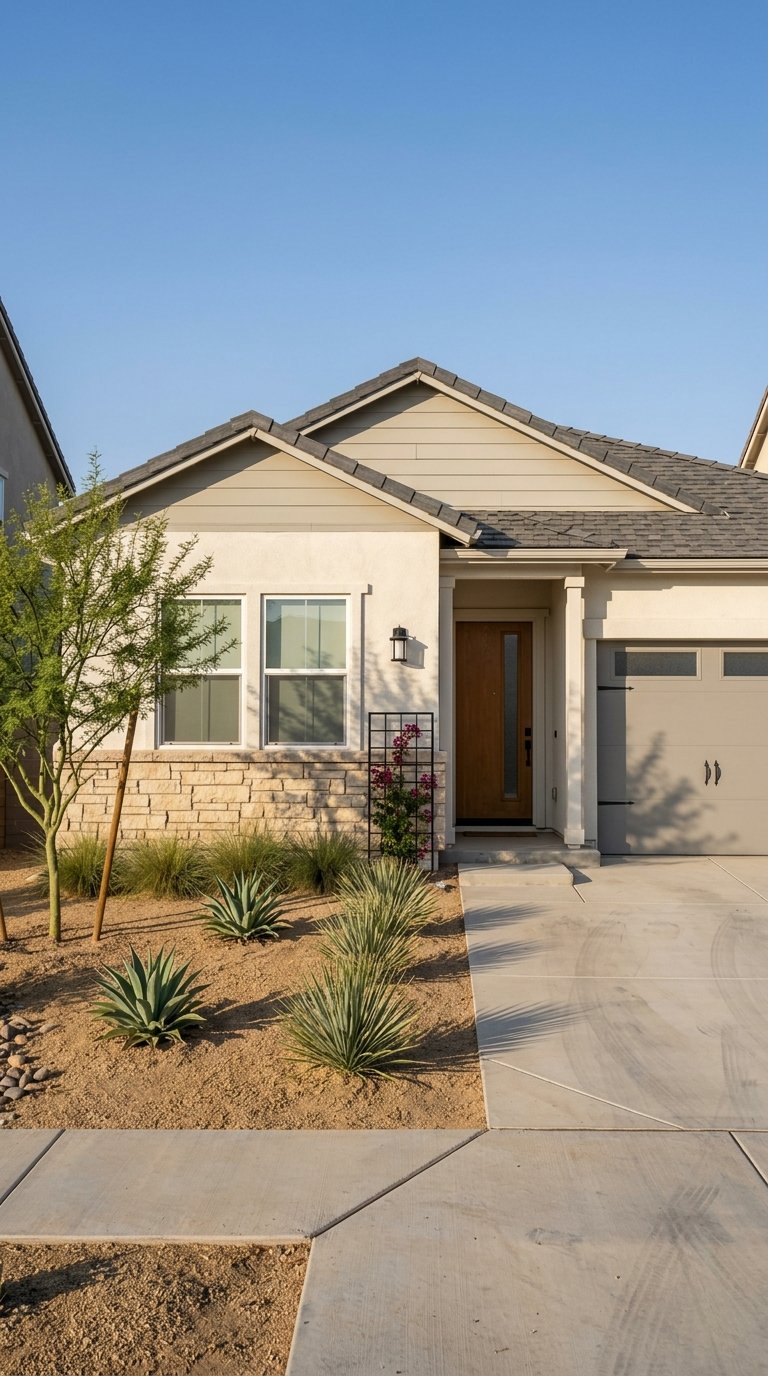
Las Vegas Single Family vs Condo: How to Choose
June 11, 2026
June 11, 2026
If you are trying to decide between a single-family home and a condo in Las Vegas, you are not alone. For many buyers, the choice comes down to more than price. You want a home that fits your budget, your routine, and how much day-to-day responsibility you are comfortable taking on. This guide will help you compare both options in a practical way so you can move forward with more confidence. Let’s dive in.
In Las Vegas, the price difference between single-family homes and condos is significant. Recent Las Vegas Realtors data reported locally shows that in April 2026, the median sale price for an existing single-family home in Southern Nevada was $473,875, while the median price for condos and townhomes was $290,000.
That is a gap of about $183,875 at the median. For many first-time buyers or budget-focused buyers, that lower entry price is one of the biggest reasons a condo or townhome makes the shortlist.
Still, the purchase price is only part of the story. A lower sales price does not always mean a lower monthly cost once you factor in dues, insurance, utilities, and upkeep.
When you look at homes in Las Vegas, it helps to compare the full monthly carrying cost instead of focusing only on the list price. Condo and HOA dues are usually paid separately from your mortgage, and they can range from a few hundred dollars to more than $1,000 per month.
That means a condo with a lower purchase price may not always feel as affordable as it first appears. On the other hand, a single-family home with a higher price may still be the better long-term fit if you want more control over your property and fewer shared expenses.
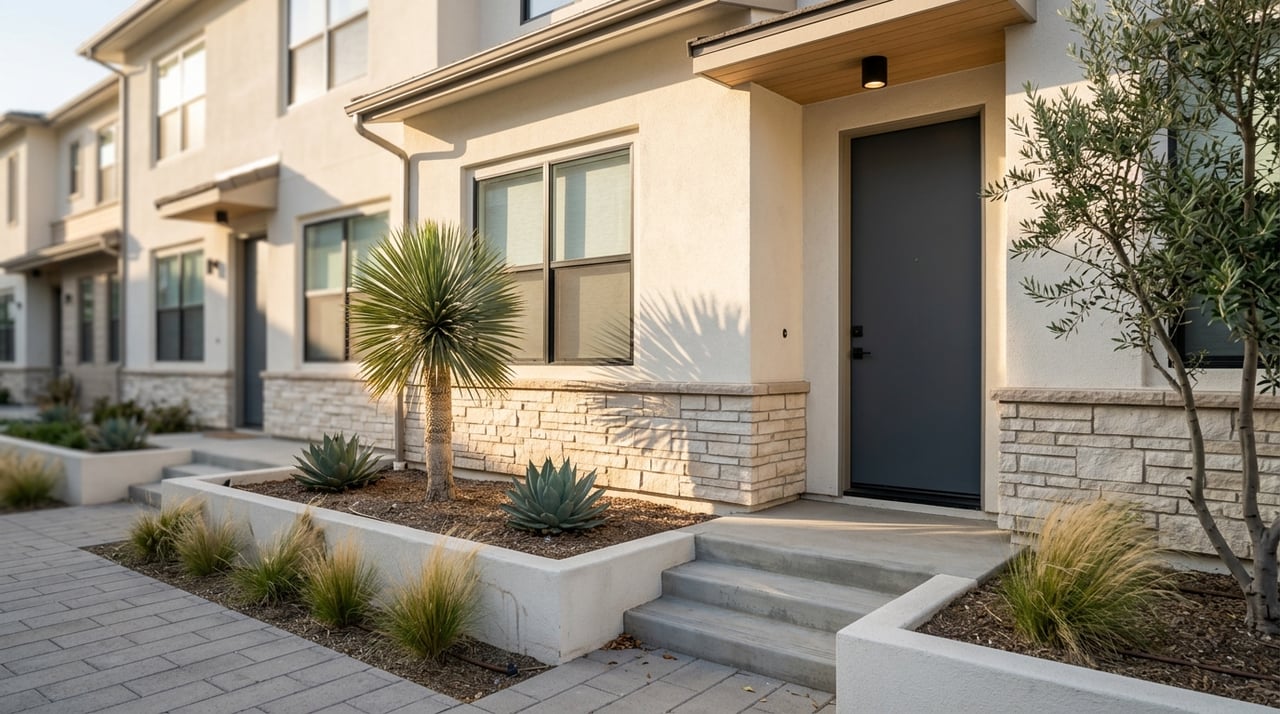
A condo can be a strong choice if you want a simpler day-to-day routine. In condominium communities, common elements may include sidewalks, driveways, and shared walls, and maintenance responsibilities for those areas are often handled through the association.
That setup can appeal to buyers who do not want to spend as much time on exterior upkeep. If your goal is a lower-maintenance lifestyle, condo living may feel more manageable than taking on a detached property.
Even with shared maintenance, condo ownership does not mean zero responsibility. You still need to maintain your own unit, and you still need your own insurance policy for the inside of the home.
Association fees usually include master insurance for common areas, but that does not replace your own coverage. Before you buy, make sure you understand what the association covers and what you will need to budget for yourself.
A single-family home often appeals to buyers who want more direct control over their property. In most cases, you are handling your own maintenance, repairs, and more of the day-to-day decisions about the home.
That can mean more work, but it can also mean more flexibility in how you manage your space. If you value privacy, separation from shared walls, and a more independent ownership experience, a detached home may be a better fit.
With that added control comes added responsibility. Buyers of single-family homes should budget for routine maintenance, repairs, and utilities as part of normal homeownership costs.
In other words, you may avoid some of the shared obligations that come with condo living, but you are usually taking on more direct upkeep yourself. For some buyers, that is worth it. For others, it feels like too much time and expense.
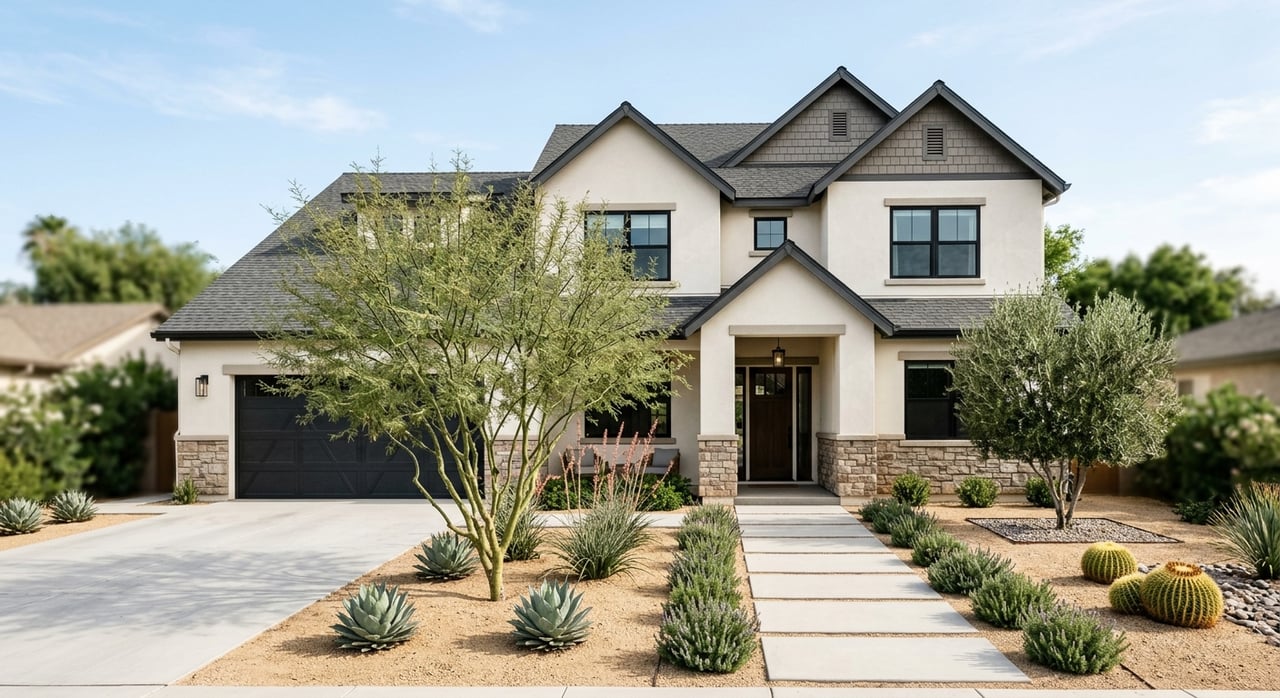
One common misconception is that HOA rules only affect condo buyers. In Nevada, that is not always true. Some single-family homes are also located in common-interest communities, which means they may come with HOA dues and community rules too.
So if avoiding HOA oversight is important to you, do not assume a detached home automatically solves that issue. You will want to confirm whether the property is part of an HOA before you make an offer.
Nevada takes a document-heavy approach to condo and common-interest community purchases. Buyers generally receive either a public offering statement or a resale package, and they usually have a 5-day right to cancel after receiving it.
Those documents matter. You should review the CC&Rs, bylaws, rules, budget, reserve information, and monthly assessment amount before closing so you understand the real costs and limitations of ownership.
CC&Rs may restrict certain improvements or uses of the property. Nevada also notes that owners pay for common elements such as landscaping and shared amenities through assessments.
It is also important to understand the consequences of missed HOA payments. Delinquent assessments can lead to collection costs and, in some cases, nonjudicial foreclosure.
The right choice often comes down to how you live. A condo or townhome may make sense if you want a lower entry price, you prefer less exterior maintenance, and you are comfortable with shared governance and monthly dues.
A single-family home may be the better choice if you want more direct control, fewer shared-space obligations, and more say in day-to-day upkeep. Neither option is automatically better. The better choice is the one that matches your budget, your routine, and your comfort level with responsibility.
| Factor | Condo or Townhome | Single-Family Home |
|---|---|---|
| Median April 2026 price in Southern Nevada | $290,000 | $473,875 |
| Entry price | Usually lower | Usually higher |
| Monthly dues | Often required | Sometimes required |
| Exterior/common maintenance | Often shared through association | Usually handled by owner |
| Shared walls/common areas | Common | Less common |
| Control over property | More limited by governing documents | Often more direct, but may still include HOA rules |
Before you choose between a condo and a single-family home in Las Vegas, ask yourself a few honest questions:
These answers can tell you a lot about which path will feel right once you move in, not just when you buy.
This decision is personal, but it is also very local. In Las Vegas, buyers often see a meaningful price gap between detached homes and attached housing, and that can make condos attractive at first glance.
At the same time, HOA dues, insurance needs, shared governance, and maintenance expectations can change the picture quickly. Having an experienced local guide can help you compare properties more clearly and avoid surprises during escrow.
If you are weighing condo versus single-family living in Las Vegas, a thoughtful side-by-side review can save you stress and help you choose with confidence. When you are ready for practical guidance tailored to your budget and goals, reach out to Isabel Hutchings for a free market consultation.
Stay up to date on the latest real estate trends.


Dedicated to helping you find the right home with care and integrity. Whether buying or selling, she listens to your needs and guides you through every step with patience and expertise. Your home journey starts here.

Isabel Hutchings
Berkshire Hathaway HomeServices Utah Properties
6340 South 3000 East Suite 600
Salt Lake City Utah 84121
Berkshire Hathaway HomeServices Nevada Properties
3185 St Rose Parkway Suite 100
Henderson Nevada 89052